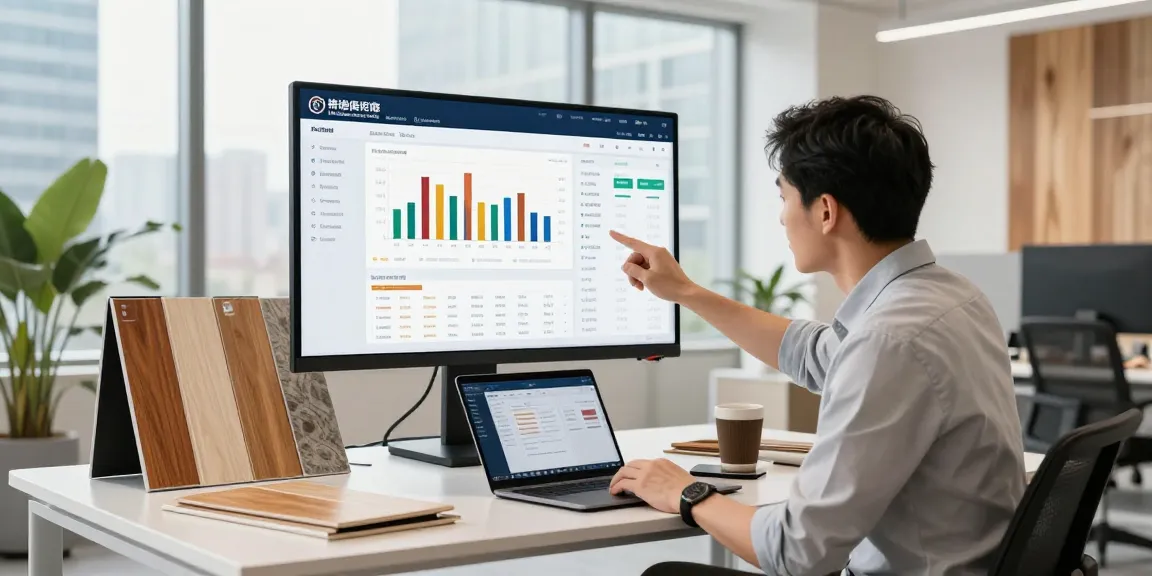
Understanding Flooring Business Software Basics
In the rapidly evolving flooring industry, business software plays a pivotal role in streamlining operations, enhancing customer service, and driving sales. As companies strive to stay competitive, adopting effective flooring business software has become essential. This software encompasses a range of tools designed to address the unique needs of the flooring industry, from inventory management to customer relationship management. When exploring options, flooring business software provides comprehensive insights into how these technologies can be tailored for success.
What is Flooring Business Software?
Flooring business software is specialized software developed to assist flooring companies in managing their operations more efficiently. It integrates various functionalities such as project management, inventory tracking, accounting, and customer relationship management into a single platform. This software aims to automate mundane tasks, reduce errors, and improve workflow, allowing business owners to focus on growth and customer satisfaction.
Key Features of Flooring Business Software
- Inventory Management: Tracks stock levels, orders, and suppliers to ensure that businesses maintain the right amount of materials.
- Project Management: Facilitates planning, execution, and monitoring of flooring projects, ensuring timely completion and resource allocation.
- Quoting and Invoicing: Automates the process of generating quotes and invoices, reducing errors and speeding up billing cycles.
- Customer Relationship Management (CRM): Helps manage customer details, interactions, and service history to enhance customer satisfaction and retention.
- Reporting and Analytics: Provides insights into business performance through data analysis, aiding in strategic decision-making.
Benefits of Implementing Flooring Business Software
The implementation of flooring business software offers numerous benefits that can significantly impact a company's bottom line. First and foremost, it enhances operational efficiency by automating manual tasks and streamlining processes. By having a centralized platform for managing various aspects of the business, companies can reduce the time and effort required to complete projects.
Furthermore, flooring business software improves customer service through its CRM capabilities, allowing businesses to track customer preferences and provide personalized service. This not only boosts customer satisfaction but also encourages repeat business. Finally, the data analysis features enable companies to make informed decisions based on performance metrics, which can lead to improved profitability.
Choosing the Right Flooring Business Software
Evaluating Your Business Needs
Before selecting flooring business software, it is crucial to evaluate your specific business needs. Consider the scale of your operations, the nature of your projects, and the specific challenges you face. Are you a small business looking for basic functionalities, or do you require a comprehensive solution that can manage multiple aspects of your enterprise? Understanding these elements will guide you in choosing software that best suits your workflow and operational goals.
Top 5 Flooring Business Software Solutions for 2026
- Flooring Estimator Pro: Offers advanced estimating tools tailored for flooring projects, enabling businesses to generate accurate quotes quickly.
- QuickBooks for Flooring: An adaptation of QuickBooks that integrates accounting features with inventory management specific to flooring businesses.
- InstallTools: A project management tool designed for flooring installers, allowing for tracking installations and managing customer communications effectively.
- FloorForce: A comprehensive platform that combines marketing, sales, and operations management, specifically catered to the flooring industry.
- ProFloor: Provides an all-in-one solution for inventory, sales, and customer management, making it easy to track business performance.
Comparative Analysis: Pricing and Features
When comparing flooring business software options, pricing and features play critical roles in your decision-making process. Some platforms may offer a one-time payment model, while others operate on a subscription basis. It's important to assess what features are essential for your business and how they are priced. For instance, basic inventory management may come at a lower cost, but if project management and CRM functionalities are needed, the overall price may increase.
To facilitate this comparison, create a spreadsheet listing each software's key features, pricing models, and customer reviews. This will help you visualize the value each option brings to your business and aid in making a more informed decision.
Integrating Flooring Business Software into Your Operations
Implementation Steps for Flooring Solutions
Integrating flooring business software into your operations requires a structured approach. First, assemble a team tasked with overseeing the implementation process, including IT, finance, and operations representatives. Next, develop a clear timeline for the rollout and identify critical milestones.
During the implementation phase, ensure that all data from your existing systems is properly migrated to the new software. This process may require cleaning data to eliminate duplicates or inaccuracies. Finally, conduct thorough testing to ensure that the software meets your operational needs before going live.
Training Your Team for Effective Use
Training is vital to ensure that your team can utilize the new flooring business software effectively. Develop a training program that caters to different user levels, from basic operations to advanced functionalities. Consider utilizing a mix of in-person training sessions, online tutorials, and user manuals to accommodate different learning preferences.
It's also beneficial to establish a feedback loop during the training process, enabling team members to voice challenges so that ongoing adjustments can be made for optimal software usage.
Maximizing ROI on Your Software Investment
To maximize your return on investment (ROI) from flooring business software, regularly review its performance against your business objectives. Set clear, measurable goals, such as reducing the time taken for project completion or increasing sales conversions, and track progress over time. Leverage the software's reporting tools to gather insights and adjust your strategies as necessary.
Additionally, encourage team members to suggest improvements based on their experiences with the software. Their insights can lead to finding ways to enhance productivity and further capitalize on the software's capabilities.
Case Studies: Flooring Businesses Transforming Through Software
Small Business Success Stories
Many small flooring companies have seen significant improvements after adopting flooring business software. For instance, a local flooring retailer reported a 30% increase in efficiency within six months of implementing a comprehensive inventory management tool. By automating their ordering process and reducing stock inconsistencies, they could fulfill customer orders faster and more accurately.
Enterprise-Level Implementations
Enterprise-level flooring companies have also benefited from robust software solutions. A national chain implemented a tailored flooring business software that integrated sales, inventory, and customer service operations across all locations. This integration resulted in a 25% reduction in operational costs and improved customer satisfaction ratings due to smoother service delivery.
Lessons Learned from Industry Leaders
Industry leaders emphasize the importance of adaptability when implementing flooring business software. They recommend starting small and scaling the software capabilities as the business grows. This approach allows companies to gradually adopt new features without overwhelming their teams, ensuring a smoother transition and higher success rates.
Future Trends in Flooring Business Software
Emerging Technologies Shaping the Industry
The flooring industry is poised for technological advancements that will redefine business operations. Emerging technologies like artificial intelligence (AI) and machine learning are anticipated to play a crucial role in enhancing customer experiences through personalized recommendations and more accurate project estimations. Additionally, augmented reality (AR) may allow customers to visualize flooring options in their spaces before making purchases, further bridging the gap between digital tools and physical products.
2016 vs. 2026: A Decade of Change in Flooring Management
Reflecting on the past decade, the transition from basic inventory systems to comprehensive flooring business software has transformed how companies operate. In 2016, many flooring businesses relied on manual systems or generic software tools that lacked specialization. Fast forward to 2026, and we see a landscape dominated by specialized solutions that cater to the unique demands of the flooring industry. This shift has enabled companies to improve efficiency, enhance customer engagement, and ultimately drive growth.
Preparing for Future Innovations in Flooring Software
To prepare for future innovations, flooring businesses should stay informed about technological developments within the industry. Engaging with software vendors, attending industry conferences, and participating in training sessions can provide valuable insights into upcoming features and tools that can further enhance operations.
Moreover, fostering a culture of continuous improvement within your organization will help ensure that your business can adapt swiftly to new technologies as they become available, keeping you at the forefront of the flooring industry.
What features should I look for in flooring business software?
When selecting flooring business software, prioritize features such as inventory management, CRM, project management tools, and robust reporting capabilities. These features are essential for ensuring your business runs smoothly and can adapt to changing market conditions.
How can flooring business software improve customer experience?
Flooring business software enhances customer experience by allowing for faster response times, personalized communications, and accurate service delivery. With CRM capabilities, you can track customer preferences and service history, enabling a tailored approach that fosters loyalty.
What are the costs associated with implementing flooring business software?
Costs can vary significantly based on the chosen software's features and deployment model. Consider the initial setup costs, ongoing subscription fees, and training expenses when budgeting for your flooring business software investment. Ensure the potential ROI justifies the expenditure.
Can flooring business software integrate with my existing tools?
Most modern flooring business software solutions offer integration capabilities with various tools and systems, such as accounting software and e-commerce platforms. Before making a choice, confirm that the software can seamlessly connect with your current systems to avoid disruption.
What are the latest trends in flooring business software for 2026?
For 2026, trends indicate a significant push towards AI integration, mobile accessibility, and enhanced user interfaces. These advancements aim to improve operational efficiency and user experience, fostering a more agile business environment.