Understanding Herniated Discs and Their Impact
A herniated disc, commonly known as a slipped or ruptured disc, occurs when the soft inner gel of a spinal disc pushes through a tear in the outer layer. This can lead to significant discomfort and neurological issues as the protruding material can press on nearby nerves, resulting in pain that often radiates down the legs, also known as sciatica. In severe cases, the symptoms may escalate to include muscle weakness or changes in reflexes. Understanding when and how to address these symptoms is crucial for a proper recovery, especially in considering surgical options like Bel fıtığı ameliyatı.
What is a Herniated Disc?
A herniated disc forms when one of the discs between the vertebrae of the spine is damaged. The discs act as cushions, absorbing shock and allowing for flexibility. However, as we age or due to repetitive stress or injury, these discs can weaken and tear, allowing the inner gel to protrude and potentially irritate surrounding nerves.
Common Symptoms and Diagnosing Methods
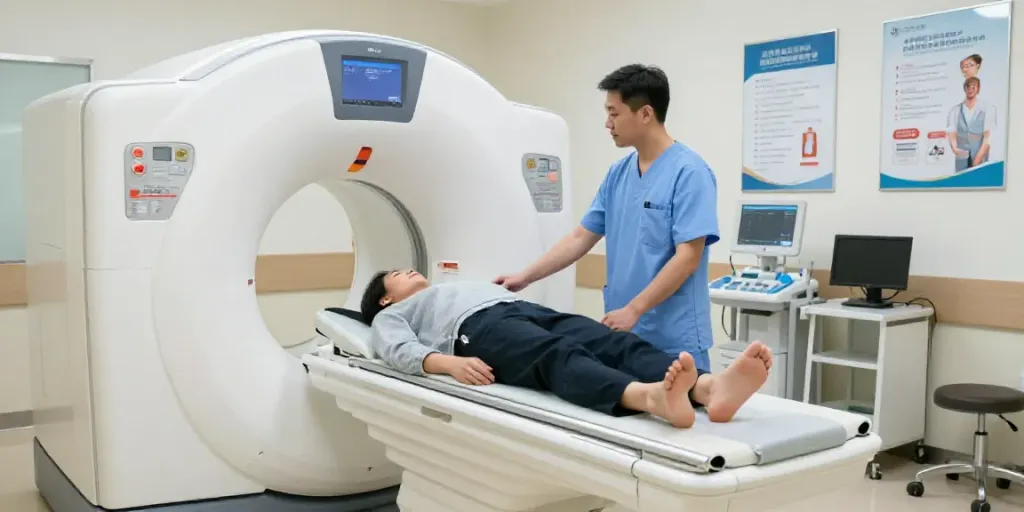
The most common symptom of a herniated disc is pain. This pain can be sharp or dull, and it often radiates into the arms or legs, depending on where the herniated disc is located in the spine. Additional symptoms may include numbness, tingling, or weakness in the affected limbs. Diagnosing a herniated disc typically involves a physical examination, followed by imaging tests such as MRI or CT scans, which provide detailed images of the spine.
Indications for Herniated Disc Surgery
When non-surgical treatments fail to alleviate symptoms, it may become necessary to consider surgical options. In particular, surgery is often recommended when conservative measures such as physical therapy, medication, and rest have not resolved the pain or if the patient experiences significant neurological deficits.
Severe Symptoms That Warrant Immediate Attention
Immediate medical attention is critical for patients experiencing severe symptoms, including loss of bowel or bladder control, significant weakness in the legs, or severe, persistent pain that does not respond to pain medication. These symptoms may indicate cauda equina syndrome, a serious condition that requires urgent surgical intervention.
Long-term Consequences of Delayed Treatment
Failing to seek timely treatment for a herniated disc can lead to chronic pain, permanent nerve damage, or debilitating conditions affecting mobility. Early intervention can mitigate these risks and lead to better outcomes, thus emphasizing the importance of consulting with a healthcare professional when symptoms arise.
Evaluating Surgical Options: Risks and Benefits
There are several surgical options available for treating herniated discs, each with its own benefits and risks. Patients must thoroughly discuss these with their doctor to ensure an informed decision. Minimally invasive surgeries tend to have shorter recovery times compared to traditional open surgeries, leading to quicker returns to daily activities.
Types of Herniated Disc Surgery
Surgical interventions for herniated discs typically fall into two main categories: open surgery and minimally invasive techniques. Understanding these options helps patients make informed decisions regarding their treatment path.
Open Surgery vs. Minimally Invasive Techniques
Open surgery involves making a larger incision and may require more extensive tissue manipulation. In contrast, minimally invasive techniques, such as microdiscectomy, use smaller incisions and specialized tools to remove the affected disc material with reduced trauma to surrounding tissues. This has become a popular choice due to its advantages in terms of recovery time and postoperative pain.
What to Expect During the Procedure
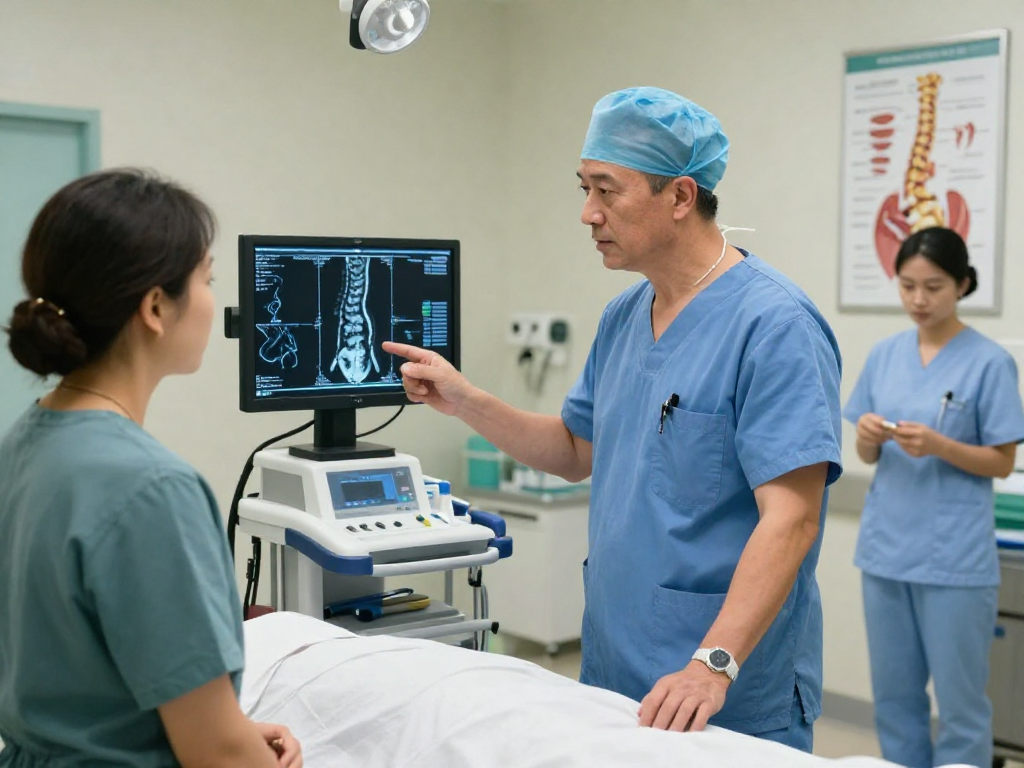
During a minimally invasive procedure, patients can expect to receive general anesthesia or local anesthesia with sedation. The surgeon will use a microscope and specialized instruments to remove the herniated part of the disc. The entire procedure usually takes about 1-2 hours, and most patients are able to go home the same day.
Post-operative Care and Recovery Times
Post-operative care is crucial for a successful recovery. Physical therapy is often recommended to facilitate healing and restore movement. Patients generally see improvement within a few weeks; however, complete recovery can take several months, depending on the individual’s pre-existing conditions and adherence to rehabilitation programs.
Patient Success Stories and Testimonials
Real-life Experiences: Before and After Surgery
Many patients report significant improvement in their quality of life following herniated disc surgery. Testimonials often highlight a reduction in pain levels and a newfound ability to engage in activities they had previously found impossible due to discomfort.
Coping with Recovery: Patient Perspectives
Throughout recovery, patients emphasize the importance of setting realistic goals and being patient with the healing process. Open communication with healthcare providers is essential for managing expectations and addressing any concerns that may arise.
Expert Insights on Improving Outcomes
Healthcare professionals stress the role of a comprehensive post-operative plan, including physical therapy, lifestyle modifications, and regular follow-ups to monitor progress. Engaging in preventive exercises can significantly enhance the overall success of treatment.
Future Trends in Herniated Disc Treatment
As medical technology evolves, new treatment options for herniated discs are on the horizon. Innovations within the field aim to improve surgical techniques and enhance recovery outcomes, significantly benefiting patient care.
Innovative Surgical Approaches on the Horizon
Emerging techniques such as laser-assisted surgery and biological therapies focus on repairing the disc rather than removing it entirely. These advancements promise to reduce recovery times and improve long-term outcomes for patients suffering from disc herniation.
Impact of Technology on Patient Recovery
Technology plays a pivotal role in enhancing surgical precision and outcomes. With advanced imaging techniques, surgeons can better visualize the affected area and tailor their approach to suit each patient's unique anatomy, minimizing complications.
How Research is Shaping Future Practices by 2026
Ongoing research in the field of spinal health continues to enhance understanding of herniated discs and their treatment. Studies are focusing on patient-specific factors that contribute to disc degeneration and recovery, guiding future therapeutic strategies that may lead to more effective interventions.
What are the warning signs for herniated discs?
Warning signs can include persistent back pain, radiating pain in the legs, numbness, and weakness. If any of these symptoms are experienced, it is crucial to consult a healthcare provider for assessment.
How quickly can one recover after herniated disc surgery?
Recovery times can vary, but many individuals begin to feel relief within a few days to weeks post-surgery. Full recovery can take several months, depending on adherence to rehabilitation protocols.
What factors determine the need for herniated disc surgery?
Factors include the severity of symptoms, the presence of neurological deficits, and the effectiveness of conservative treatment approaches. A thorough evaluation by an experienced spine surgeon is essential for determining the best course of action.
Are there non-surgical treatments available for herniated discs?
Yes, non-surgical treatments may include physical therapy, medication, and cortisone injections. These options can help manage symptoms and may delay or prevent the need for surgery.
What lifestyle changes can aid recovery from surgery?
Incorporating low-impact exercises, maintaining a healthy weight, and practicing good posture can support recovery and minimize the risk of future disc issues. For more information, Bel fıtığı ameliyatı offers valuable insights. Patients are also encouraged to engage in regular physical activity as tolerated.