Understanding Vegan Astaxanthin
Vegan astaxanthin is a powerful antioxidant derived from natural sources that have gained traction in the wellness community. Known for its vibrant red pigment, astaxanthin is primarily sourced from microalgae, making it an excellent choice for those adhering to a plant-based diet. As consumers become increasingly interested in holistic health, understanding the benefits and sources of vegan astaxanthin can provide important insights into its role within a balanced diet. When exploring options, vegan astaxanthin offers comprehensive insights into a nutrient that supports various aspects of health and well-being.
What is Vegan Astaxanthin?
Astaxanthin is a keto-carotenoid, a type of pigment that is part of the carotenoid family. Unlike many carotenoids, astaxanthin is unique in its molecular structure, enabling it to exhibit potent antioxidant properties. This pigment is commonly found in certain types of microalgae and is responsible for the red and pink hues seen in seafood like salmon, shrimp, and flamingos. Vegan astaxanthin specifically refers to those products sourced from microalgae, ensuring they are free from animal-derived ingredients.
Health Benefits of Vegan Astaxanthin
The health benefits associated with vegan astaxanthin are extensive and well-documented. As a robust antioxidant, it helps to neutralize free radicals in the body, which can prevent oxidative stress and inflammation linked to chronic diseases. Here are some key benefits:
- Skin Health: Astaxanthin promotes skin elasticity and hydration, potentially reducing the appearance of fine lines and wrinkles.
- Eye Health: By protecting retinal cells, astaxanthin may enhance vision and prevent age-related macular degeneration.
- Cardiovascular Support: Studies suggest astaxanthin may improve cholesterol levels and enhance cardiovascular health.
- Exercise Performance: The antioxidant properties of astaxanthin can help reduce muscle fatigue and inflammation post-exercise.
Sources of Vegan Astaxanthin
The primary source of vegan astaxanthin is the microalga Haematococcus pluvialis, recognized as the richest source of this antioxidant. Other potential sources may include specific algal supplements that are designed to be free of animal-based ingredients. These sources not only provide astaxanthin but also other beneficial nutrients that support overall health.
Integrating Vegan Astaxanthin into Your Diet
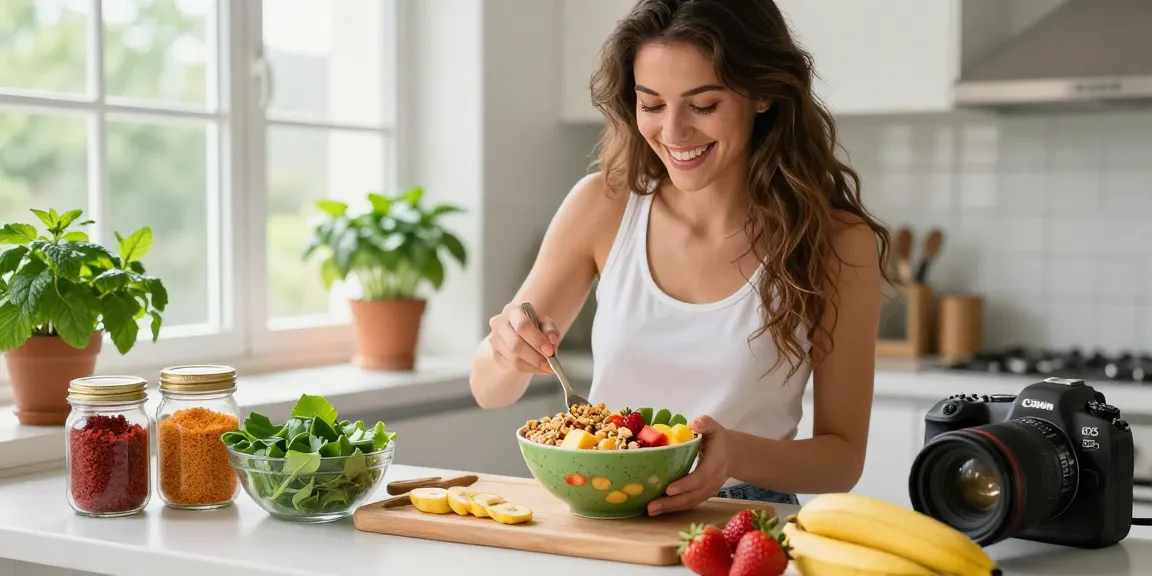
Incorporating vegan astaxanthin into your daily routine can be simple and delicious. Many people choose to consume it through supplements, but there are also numerous ways to integrate it into meals.
Easy Vegan Recipes Featuring Astaxanthin
Here are a couple of easy vegan recipes that highlight the use of astaxanthin:
- Astaxanthin Smoothie: Blend together banana, spinach, almond milk, a scoop of vegan protein powder, and astaxanthin powder for a nutritious start to your day.
- Astaxanthin-infused Salad Dressing: Whisk together olive oil, balsamic vinegar, a pinch of sea salt, and a teaspoon of astaxanthin powder for a colorful and healthful dressing.
Daily Intake Guidelines for Optimal Benefits
For those considering astaxanthin supplements, the general recommendation is between 4 to 12 mg per day, depending on the desired health outcomes. It's essential to consult with a healthcare provider before starting any new supplement regimen.
Common Mistakes When Consuming Astaxanthin
Some common pitfalls include ignoring dietary sources that complement astaxanthin absorption, such as healthy fats found in avocados or nuts. Additionally, taking too much astaxanthin can lead to skin discoloration, so moderation is key.
Scientific Research on Vegan Astaxanthin
Recent Studies and Findings
Ongoing research into vegan astaxanthin continues to uncover its potential benefits. Studies have shown promising results in areas such as skin health, with participants displaying improved hydration and elasticity after regular astaxanthin intake. Furthermore, its role in reducing systemic inflammation is an exciting area of study, potentially linking it to a lower risk of chronic diseases.
Astaxanthin's Role in Antioxidation
The antioxidant capacity of astaxanthin is significantly higher than that of many other carotenoids, including beta-carotene and lutein. This effectiveness makes it a valuable addition to dietary supplements aimed at enhancing health and longevity.
Future Research Directions for 2026 and Beyond
Looking ahead, research will likely explore astaxanthin's effects on neurological health, its potential role in metabolic diseases, and its benefits in athlete recovery. As scientific understanding grows, so too will the possibilities for vegan astaxanthin in both dietary and therapeutic contexts.
Vegan Astaxanthin and Overall Wellness
Boosting Skin Health with Astaxanthin
In a culture increasingly focused on skin health, astaxanthin's ability to combat UV damage and improve skin elasticity makes it a sought-after ingredient in skincare products. Clinical trials have demonstrated its effectiveness in improving several parameters of skin health, leading to its popularity among beauty enthusiasts.
Impact on Exercise Recovery and Performance
Astaxanthin has been shown to reduce exercise-induced oxidative stress and inflammation, contributing to improved recovery times and enhanced athletic performance. Regular intake of this antioxidant through diet or supplementation may help athletes perform at their peak and recover more efficiently.
Astaxanthin’s Role in Immune Support
Research also suggests that astaxanthin may enhance immune function by promoting the activity of immune cells. This aspect is particularly important in today's world, where supporting immune health is more crucial than ever.
Frequently Asked Questions
What are the best sources of vegan astaxanthin?
The best sources of vegan astaxanthin are supplements derived from Haematococcus pluvialis and various algal sources. These sources ensure that the astaxanthin is free from animal products.
How does vegan astaxanthin compare to other antioxidants?
Vegan astaxanthin is often touted as one of the most potent antioxidants available, surpassing many traditional antioxidants in its ability to combat oxidative stress.
Can I take vegan astaxanthin supplements?
Yes, vegan astaxanthin supplements are widely available and commonly used to support health, particularly in areas related to skin and eye health.
Is vegan astaxanthin safe for everyone?
Generally, vegan astaxanthin is considered safe for most individuals; however, those with specific health conditions or those pregnant or breastfeeding should consult a healthcare professional before use.
What are the side effects of consuming astaxanthin?
Though rare, some individuals may experience side effects such as discoloration of the skin or gastrointestinal issues. Monitoring dosage and adhering to recommended guidelines can mitigate these risks.