Understanding Electric Convector Heaters
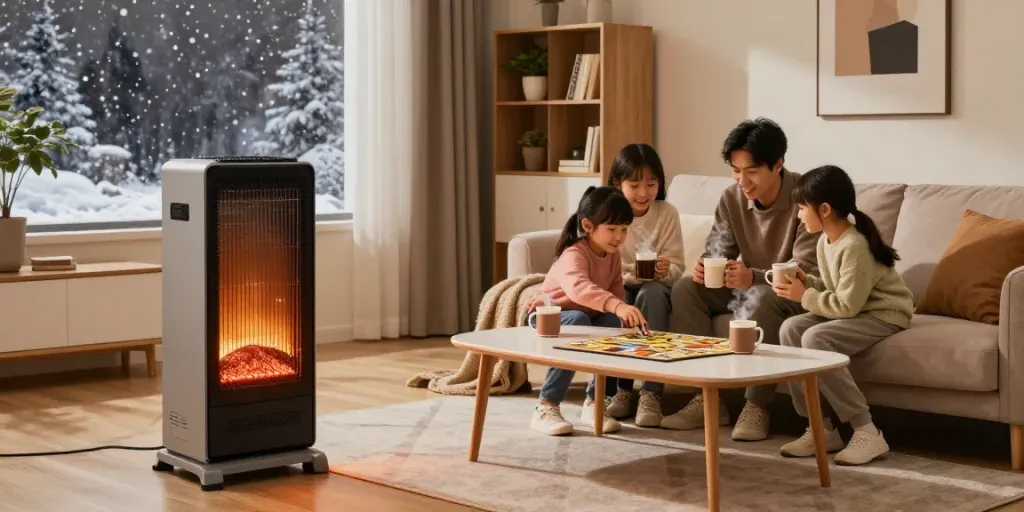
In the realms of home heating, electric convector heaters are gaining traction due to their efficiency and versatility. Designed to provide consistent warmth, these heaters operate on the principle of natural convection, making them an excellent choice for various environments—from cozy bedrooms to larger office spaces. When exploring options, convector heater models deliver comprehensive insights into contemporary electric heating solutions.
What Is a Convector Heater?
A convector heater is a type of electric heating appliance that warms the air in a room through the natural process of convection. They typically feature vents through which cold air is drawn in from the bottom, heated over aluminum fins or a similar heating element, and expelled through the top. This design enables the heater to distribute heat evenly throughout the space, promoting a more comfortable environment without the need for fans.
How Do Convector Heaters Work?
Electric convector heaters utilize a simple yet effective mechanism to generate heat. They contain an electric heating element, which converts electrical energy into thermal energy. As the heating element warms, the surrounding air becomes heated and rises due to its decreased density. Cooler air then flows down to replace it, creating a continuous cycle of air movement that gradually warms the entire room.
Benefits Over Other Electric Heaters
- Energy Efficiency: Convector heaters are highly efficient, converting almost 100% of the electricity consumed into heat. Their ability to warm the air without cumbersome installations makes them a cost-effective upper hand.
- Comfortable Heating: Unlike fan heaters, convector heaters do not blow dust or allergens around. Their gentle heating method helps maintain indoor air quality.
- Portability: Many models are lightweight and come with built-in wheels or wall mounts, allowing for easy repositioning based on user needs.
Choosing the Right Convector Heater for Your Space
Selecting the appropriate convector heater hinges on understanding your specific heating requirements and spatial dynamics. It's essential to consider factors like room size, insulation quality, and intended use to maximize efficiency and comfort.
Wall-Mounted vs. Freestanding Options
When deciding between wall-mounted and freestanding units, both have unique advantages. Wall-mounted units save floor space and are ideal for permanent installations, particularly in rooms with limited space, such as bedrooms or home offices. Conversely, freestanding heaters offer flexibility and can be easily moved between rooms, making them perfect for renters or those who only need supplemental heating occasionally.
How to Calculate Required Wattage?
The wattage required for an electric convector heater is determined by the size of the space you want to heat. A standard rule of thumb is to allocate approximately 100 watts for every square meter of well-insulated area. For larger rooms with poor insulation, you may need to increase this wattage to compensate for heat loss.
Key Features to Consider
- Thermostats: Models equipped with electronic thermostats provide better energy management by adjusting the heater's output based on the desired temperature.
- Programmable Timers: Timers allow for scheduled heating, ensuring that rooms are pre-warmed before use without wasting energy.
- Smart Connectivity: Some modern units feature Wi-Fi capabilities, allowing users to control their heating remotely through apps.
Cost and Efficiency of Electric Convector Heaters
Understanding the costs associated with operating an electric convector heater is crucial for budgeting and energy management. Here, we’ll dive into the mathematics and mechanisms of electricity usage and running costs.
Electricity Usage Breakdown
The energy consumption of an electric heater can be calculated using the formula: Electricity used (kWh) = Heater power (kW) × Running time (hours). For instance, a 2,000W heater running for two hours will use 4 kWh of electricity. However, actual consumption may vary based on the thermostat’s operation and room insulation levels.
Understanding Running Costs
The running costs for electric convector heaters depend on the heater's power rating, how long it's used, and the local electricity rates. To estimate running costs, use the formula: Running cost = Electricity used (kWh) × Electricity price (£/kWh or €/kWh). Thus, understanding your electricity tariff is essential for precise budgeting.
Tips for Reducing Energy Consumption
- Utilize Smart Thermostats: High-precision digital thermostats can optimize energy use by maintaining desired temperatures without unnecessary heating.
- Use Timers Wisely: Schedule heating to match your routine, heating spaces only when necessary.
- Maintain Optimal Room Temperatures: Ideally, setting your thermostat between 18°C and 21°C can minimize energy wastage.
Installation and Safety Precautions
Proper installation and adherence to safety precautions ensure that your electric convector heater operates efficiently and safely. Following the manufacturer’s guidelines is critical to achieving optimal performance.
Proper Placement for Optimal Heat Distribution
To maximize the heating efficiency of your convector heater, place it in a location that allows for unobstructed airflow. Position the heater at least 50 cm away from furniture and curtains, and ideally under a window to counteract cold drafts.
Essential Safety Features to Look For
- Overheat Protection: Ensure your heater has a safety cut-off feature to prevent overheating.
- Tip-Over Switch: For freestanding models, a tip-over switch can enhance safety by automatically shutting off the heater if it falls.
- IP Rating for Bathrooms: If you plan to use your heater in wet areas, ensure it has an appropriate IP rating (at least IP24).
Installation Do’s and Don’ts
- Do: Follow all local building codes and regulations regarding electrical safety.
- Do: Use a dedicated outlet to prevent overloading circuits.
- Don’t: Use extension cords or adapters, which can pose safety risks.
Future Trends in Electric Heating Technology
The landscape of electric heating technology is evolving quickly, with innovations aimed at enhancing energy efficiency and user convenience in residential heating solutions.
Smart Connectivity and Control Innovations
As the demand for smart home devices continues to grow, electric convector heaters are increasingly integrating smart technology. Features such as remote monitoring and the ability to control heating via smartphones or voice-activated assistants are becoming standard.
Energy Efficiency Standards for 2026
With rising concerns over climate change and energy consumption, new legislation is being introduced, requiring heating products to meet strict energy efficiency standards. Consumers can expect more energy-efficient models to enter the market, which not only provide effective heating but also lower utility bills.
Evolution of Design in Convector Heaters
Modern convector heaters are not just functional; they also incorporate sleek designs that fit seamlessly into home aesthetics. Glass panel models can serve both as heating appliances and stylish decor, appealing to consumers who value visual design as much as utility.
Can a Convector Heater Heat an Entire House?
While electric convector heaters can provide effective heating in individual rooms, using them as the sole heating source for an entire house may not be practical unless the property is well-insulated. They are best suited for zonal heating where localized warmth is needed.
What Are the Disadvantages of Convector Heaters?
Despite their advantages, there are several drawbacks to consider. For instance, convector heaters are not typically suitable for large, poorly insulated spaces, as they may struggle to maintain a comfortable temperature. Additionally, they may not be the best choice for individuals with allergies, as they can cause dust circulation.
Is a Convector Heater Suitable for Bathroom Use?
Many models are designed with safety in mind for use in bathrooms, but it's crucial to check the specific IP rating and ensure compliance with local electrical codes. Only certified units should be used in wet areas, as standard heaters pose safety hazards.