Understanding Common Washing Machine Issues
Washing machines are essential appliances in modern households, making laundry day a breeze. However, like any mechanical device, they can encounter problems that disrupt their functioning. In the bustling heat of Dubai, where efficient appliance use is critical, timely intervention is necessary. Many homeowners face various issues with their washing machines, and understanding these common problems can significantly enhance your appliance's longevity and performance. If you're looking for expert assistance, Washing machine repair services in Deira offer swift solutions to keep your machine running smoothly.
Common Problems Homeowners Face
- Water Leaks: One of the most frequent issues, often resulting from faulty hoses or worn-out seals.
- Drum Failure: This can manifest as a failure to spin or a completely inoperative drum.
- Drainage Problems: Clogs in the drainage system can prevent effective cleaning.
- Spin Cycle Errors: Sometimes, machines fail to complete the spin cycle due to mechanical faults.
- Control Panel Failures: Malfunctions in electronic components can prevent selection of wash settings.
Signs That Your Washing Machine Needs Repair
Understanding the early warning signs that indicate a need for repair can save you time and money. Here are some key signs:
- Unusual Noises: Grinding, clanking, or thumping sounds can signal internal issues.
- Inconsistent Temperatures: If your clothes are coming out excessively hot or cold, there may be a thermostat issue.
- Increased Cycle Times: Longer wash cycles can indicate a malfunction that requires attention.
- Failure to Start: A machine that won't turn on is a clear sign that something is wrong.
How to Troubleshoot Simple Issues
Before calling a professional, there are several simple troubleshooting steps you can take:
- Check the power supply and ensure the machine is plugged in.
- Inspect the water supply hoses for kinks or clogs.
- Examine the drain for blockages that may hinder performance.
- Ensure that the door latch is functioning correctly; a faulty latch can prevent operation.
The Washing Machine Repair Process
When your washing machine requires professional attention, understanding the repair process can help demystify the experience.
Step-by-Step Repair Guide
- Contact & Book: Reach out via phone or online to schedule an appointment.
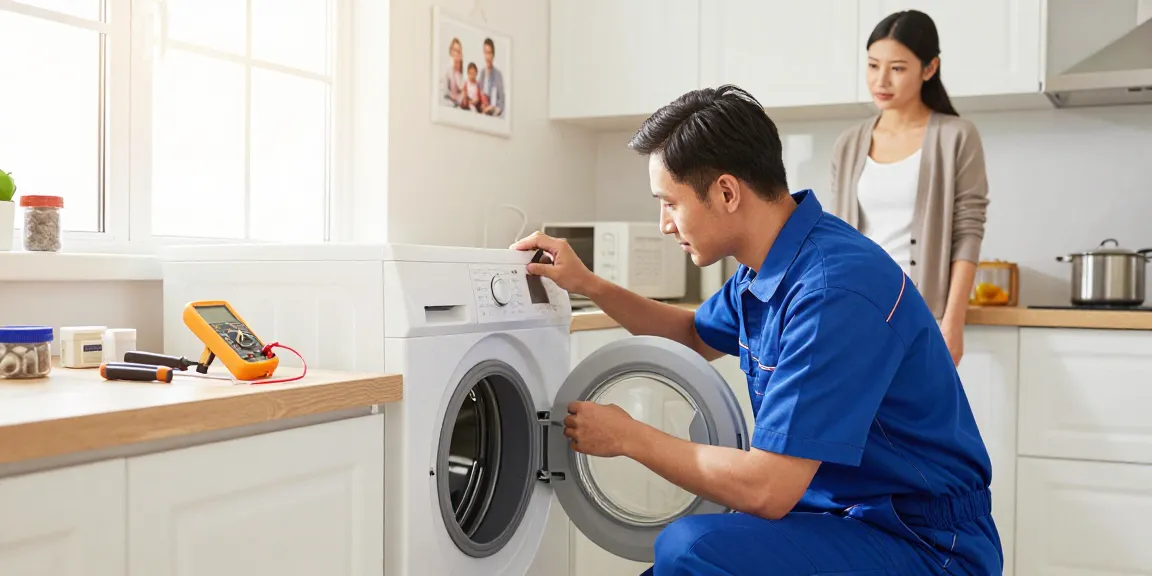
- On-Site Diagnosis: A technician will visit your home to assess the situation and identify the issue.
- Transparent Quote: After diagnosis, you will receive an itemized quote for approval before any work begins.
- Repair: The technician will perform the necessary repairs using genuine or OEM-equivalent parts.
- Testing: The machine is thoroughly tested to ensure it functions properly post-repair.
- Warranty: Most services come with a warranty covering both parts and labor.
Tools and Techniques Used by Professionals
Professionals utilize a variety of specialized tools and techniques during repairs:
- Multimeter: For checking electrical components.
- Wrench sets: For tightening or removing bolts.
- Screwdrivers: Essential for accessing internal components.
- Diagnostic software/tools: Used for modern machines that incorporate smart technologies.
Finding the Right Technician for the Job
Choosing a knowledgeable and experienced technician is vital. Look for the following when selecting a professional:
- Certifications and qualifications.
- Experience with various washing machine brands and models.
- Positive customer reviews and ratings.
- Transparent pricing practices without hidden fees.
Choosing the Right Parts for Repairs
When it comes to repairs, the choice of parts can significantly influence the longevity and performance of your washing machine.
OEM vs. Aftermarket Parts: What You Need to Know
Understanding the difference between Original Equipment Manufacturer (OEM) parts and aftermarket components is crucial. OEM parts are made by the manufacturer and are guaranteed to fit and function properly, while aftermarket parts may vary in quality and compatibility.
How to Source Parts Effectively
Reliable sourcing for parts can streamline the repair process. Here are some tips:
- Contact your washing machine's manufacturer for certified parts.
- Consider reputable appliance parts distributors.
- Look for warranties on parts purchased to ensure quality.
Importance of Using Quality Components
Utilizing high-quality components not only ensures optimal performance but also safeguards against recurrent issues. Cheap, low-quality parts may save money upfront but can lead to frequent repairs.
Maintaining Your Washing Machine for Longevity
Regular maintenance can greatly extend the life of your washing machine and improve its efficiency.
Best Practices for Regular Maintenance
- Clean the Lint Filter: Regularly clear lint and debris to prevent clogs.
- Inspect Hoses: Check hoses for signs of wear and replace them when necessary.
- Run Cleaning Cycles: Use a maintenance wash cycle every few months to keep the drum clean.
How Maintenance Can Prevent Major Repairs
Proactive maintenance can prevent significant issues such as leaks or motor failures. Regular checks can help identify potential problems early, often leading to simple fixes rather than extensive repairs.
Dealing with Uncommon Problems: When to Call a Technician
Some machine problems can be complex and beyond DIY solutions. If you notice:
- Persistent error messages on the display.
- Burning odors during operation.
- Unexplained noises after maintenance.
It's time to contact a technician for professional assistance.
Future Trends in Washing Machine Technology
The washing machine industry is evolving. Innovations are shaping the way we use and maintain our appliances.
The Impact of Smart Technology on Repairs
Smart washers now come equipped with diagnostic capabilities that can alert homeowners of issues before they become severe. This technology can save time and reduce repair costs.
Eco-Friendly Repair Options and Sustainable Practices
As environmental concerns grow, many manufacturers are focusing on creating energy-efficient appliances that require fewer repairs and use sustainable materials. Opting for eco-friendly parts also supports sustainability efforts.
Predictions for Washing Machine Innovations in 2026
Future washing machines may feature advanced AI capabilities for better cycle optimization and usage tracking, while innovations in materials could lead to more robust, longer-lasting appliances.
What Should You Do When Your Washing Machine Breaks?
Immediately unplug the machine and check for any visible issues. If you're unable to identify the problem, contacting a professional service provider is advisable.
How Long Does a Repair Typically Take?
Standard repairs usually take between 30 minutes to 2 hours, depending on the complexity of the issue.
Can I Repair My Washing Machine Myself?
DIY repairs are possible for minor issues, but it's crucial to assess your capability and comfort level with mechanical tasks. For complex problems, professional assistance is recommended.
Are Repairs Worth the Cost Compared to Replacement?
In many instances, repairing is more economical than replacing, especially for machines under ten years old and when repair costs are below 50% of the replacement value.
What Warranty Options Should I Look for?
Always inquire about warranties that cover both parts and labor, as this can provide peace of mind and insurance against future issues.