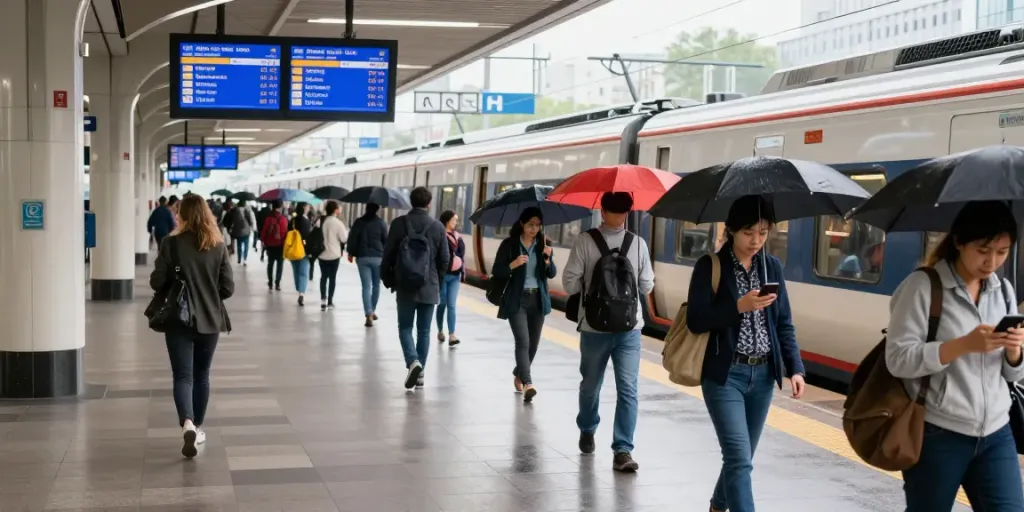
Understanding Transport Delays
Transport delays can create significant ripple effects across various sectors, affecting everything from daily commutes to nationwide supply chains. With the demand for efficient public transportation services at an all-time high, understanding these delays and their implications is crucial for both individuals and businesses. When exploring options, transport delays can be mitigated through effective planning and utilization of technology that provides real-time updates on transport situations.
What Are Transport Delays?
Transport delays refer to interruptions in the expected timeline of transportation services, whether they involve trains, buses, airplanes, or any other public transit modes. These delays can be measured in minutes, hours, or even longer, depending on the circumstances. They disrupt not only individual travel plans but also have broader implications for logistical operations within businesses.
Common Causes of Transport Delays
Transport delays can arise from various sources, including:
- Weather Conditions: Severe weather such as storms, heavy rains, or snow can cause significant disruptions.
- Mechanical Failures: Problems with vehicles or infrastructure can lead to unexpected breakdowns.
- Traffic Congestion: Urban areas often experience bottlenecks, leading to increased delays.
- Scheduled Maintenance: Regular maintenance on transport lines often results in temporary service interruptions.
- Labor Strikes: Strikes by transport workers can halt service entirely for extended periods.
Impact of Delays on Daily Commutes
For commuters, the impact of transport delays manifests in numerous ways. The most immediate effect is increased travel time, which can lead to missed appointments and increased frustration. Furthermore, repeated disruptions can adversely affect individuals’ mental health and productivity. Surveys have indicated that commuters who experience frequent delays are more likely to report dissatisfaction with their overall travel experience.
Managing the Effects of Transport Delays
Strategies to Minimize Disruption
To manage the effects of transport delays effectively, individuals can adopt several strategies:
- Plan Ahead: Always factor in extra time for travel, especially during peak hours or inclement weather.
- Alternative Routes: Familiarize yourself with alternative transportation options or routes to avoid delays.
- Flexibility: If possible, adjust travel times to non-peak hours to reduce the likelihood of delays.
Utilizing Technology for Real-Time Updates
Technology plays a crucial role in minimizing the impact of transport delays. Mobile applications can provide real-time updates on transport status, allowing users to make informed decisions about their travel. For instance, some apps notify users of upcoming strikes or delays, ensuring that commuters can adapt their plans accordingly.
Planning According to Forecasts
By leveraging available forecasts and data on typical delay patterns, individuals and companies can better plan their operations. This involves monitoring transport conditions and adjusting scheduling based on historical data or expected peaks in demand.
The Economic Impact of Transport Delays
Costs Incurred by Individuals
The costs associated with transport delays can be both direct and indirect. Individuals may incur extra expenses due to alternative transportation, missed work hours, or even stress-related health concerns. Additionally, families may experience increased childcare or accommodation costs if they cannot return home on time.
Effects on Businesses and Supply Chains
For businesses, transport delays can disrupt supply chains, leading to increased operational costs and decreased customer satisfaction. Delays in logistics can result in missed deadlines, affecting everything from production schedules to retail deliveries. This impact can cascade throughout the economy, as businesses struggling with delays may also impact their suppliers and customers.
Analysis of Broader Economic Trends in 2026
As we move into 2026, the economic repercussions of transport delays are expected to evolve. With the ongoing development of smart city initiatives, urban planning will increasingly focus on optimizing public transport systems to reduce delays. However, the potential for climate change-related disruptions poses a significant challenge, which could further complicate the transport landscape.
Future Trends in Public Transport
Emerging Solutions to Combat Transport Delays
Innovations such as autonomous vehicles and advanced traffic management systems are poised to revolutionize public transport. These technologies aim to streamline services, reduce congestion, and enhance overall efficiency, thereby minimizing transport delays.
Smart City Initiatives and Public Transport
Smart city initiatives are increasingly integrating public transport systems with technology that facilitates better data sharing and real-time communication. These projects often utilize IoT sensors to track vehicle locations and passenger volumes, allowing for dynamic routing adjustments to alleviate delays.
Long-Term Projections for Public Transport Systems
Looking ahead, it is essential to consider the long-term implications of transport delays on urban development. As cities grow, public transportation systems must adapt to accommodate increased demand. Investments in infrastructure and technology aimed at improving efficiency will be critical to ensuring that public transport can meet future needs.
Frequently Asked Questions About Transport Delays
What are the most common transport delays?
The most common transport delays include those caused by traffic congestion, weather-related incidents, mechanical failures, and labor strikes.
How can I stay informed about transport delays?
Staying informed can be achieved through various means, including apps that provide real-time updates, community forums, or official transportation authority notifications.
What impact do weather conditions have on transport?
Weather conditions can severely impact transport schedules, leading to delays or cancellations of services, particularly during adverse conditions such as storms or heavy snowfall.
How do transport delays affect the economy?
Transport delays can have far-reaching economic implications, including increased operational costs for businesses, reduced productivity, and heightened consumer dissatisfaction.
Are there apps specifically for tracking transport delays?
Yes, there are several apps designed to track transport delays in real-time, providing users with the latest updates and notifications to assist in planning their travel effectively.