Overview of the Manaslu Circuit Trek
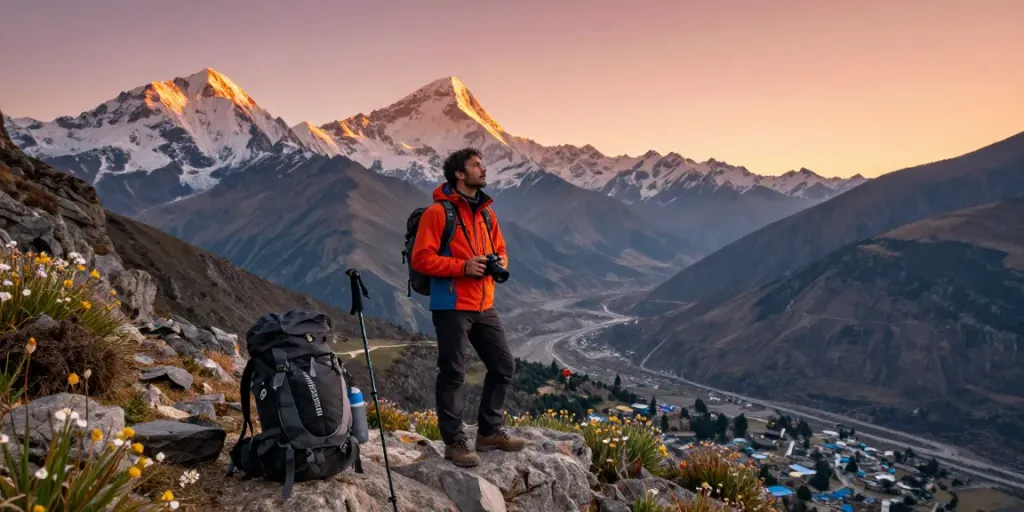
The Manaslu Circuit Trek offers an exceptional journey through one of Nepal's most breathtaking landscapes. Stretching approximately 177 kilometers, this trek boasts stunning views of the world's eighth-highest peak, Mount Manaslu, along with rich cultural encounters and diverse ecosystems. Trekking in this remote region provides adventurous hikers with a unique combination of thrilling natural beauty, ancient Buddhist monasteries, and the opportunity to explore remote Tibetan-influenced villages. The trek is ideal for those seeking a more off-the-beaten-path experience compared to popular trails like the Annapurna Circuit or Everest Base Camp.
For those looking to plan their adventure, Manaslu Circuit packages offer an inclusive guide to the best itineraries, climbing routes, and essential preparations.
History and Cultural Significance
The Manaslu region is steeped in rich history, notably linked to Tibetan culture and the ancient practices of local communities. The trek leads you through traditional villages like Samagaon and Namrung, where the Gurung and Tibetan ethnic populations reside. Their customs, festivals, and ways of life offer trekkers a chance to immerse themselves in the cultural tapestry of the Himalayas. Additionally, the area is home to several monasteries, including the famous Pungyen Gompa, which invites contemplation and reflection amidst serene mountain settings.
Geographical Insights and Biodiversity
Upon traversing the Manaslu Circuit, trekkers will encounter a range of landscapes, from lush subtropical forests to the stark beauty of high-altitude deserts at the Larkya La Pass. This diverse topography not only showcases the grandeur of the Himalayas but also fosters a rich biodiversity. The Manaslu Conservation Area is home to rare species such as the snow leopard and red panda, as well as numerous flora and fauna unique to the region. Trekkers may experience this richness firsthand through guided tours that highlight the importance of conservation efforts in the area.
Permits and Regulations for Trekking
As the Manaslu Circuit lies within a restricted area, trekkers are required to obtain several permits to ensure the protection of this pristine environment and its cultural heritage. The necessary permits include the Manaslu Restricted Area Permit (MRAP), the Manaslu Conservation Area Permit (MCAP), and the Trekkers’ Information Management System (TIMS) card. It's advisable to work with a registered trekking agency to facilitate these permits and ensure a smooth trekking experience.
Planning Your Trek: Essential Information
Best Seasons for the Manaslu Circuit in 2026
The most favorable times to embark on the Manaslu Circuit Trek are during the spring (March to May) and autumn (September to November) seasons. During spring, trekkers can expect mild weather with blooming rhododendrons and clear blue skies. The autumn season, on the other hand, provides stunning views of snow-capped peaks and vibrant landscapes, making it ideal for photography enthusiasts. It is generally advised to avoid trekking during the monsoon season and peak winters due to heavy rainfall and the risk of landslides.
How to Prepare Physically and Mentally
Preparing for the Manaslu Circuit Trek involves both physical conditioning and mental readiness. A consistent training regime focused on cardiovascular fitness, strength training, and long hikes will significantly enhance your trekking experience. It's also essential to acclimatize properly to avoid altitude sickness, which can be a concern given the trek's elevation. Mental preparation includes researching the local culture and geography to foster a deeper connection with the region.
Creating Your Itinerary: Key Highlights
The itinerary for the Manaslu Circuit Trek includes several key highlights such as the panoramic view from Larkya La Pass, the serene beauty of Birendra Lake, and the historical significance of various monasteries along the route. Trekkers will typically spend around 15 days on the trail, allowing ample time for acclimatization and exploration of the quaint villages.
Accommodation and Amenities Along the Trail
Types of Lodging: Teahouses vs. Camping
Accommodation along the Manaslu Circuit primarily includes teahouses and lodges, offering a rustic yet comfortable experience. Teahouses provide basic amenities along with local cuisine and warm hospitality. For those seeking a more adventurous experience, camping options can be arranged, providing trekkers with an opportunity to connect more intimately with nature.
Food Options and Dietary Considerations
The culinary offerings during the trek range from traditional Nepali staples such as dal bhat (rice and lentils) to Tibetan delicacies like momos (dumplings). Most teahouses cater to vegetarian diets and accommodate other dietary restrictions upon request. Hydration is crucial, and trekkers are advised to carry purification tablets or utilize local boiled water sources along the trail.
Water Sources and Hydration Strategies
Hydration strategies involve utilizing teahouse-provided water, which can often be boiled for safety, or the use of water purification systems. Trekkers should always carry a refillable water bottle and plan for adequate hydration, especially at higher altitudes where dehydration risks increase.
Safety and Health Precautions
Managing Altitude and Acclimatization
Altitude management is vital for a successful trek, particularly as the route climbs over 5,000 meters. To combat Acute Mountain Sickness (AMS), trekkers should pace themselves, stay well-hydrated, and take scheduled acclimatization days to allow their bodies to adjust to the elevation.
Important Gear and Equipment Recommendations
Investing in high-quality trekking gear is essential for both comfort and safety. Key items include well-fitting trekking boots, insulated jackets, moisture-wicking layers, and personal safety equipment such as first aid kits. It is advisable to pack according to the weather conditions forecasted for your travel dates.
Emergency Protocols and First Aid Insights
Trekking safety includes understanding emergency protocols. Having a well-equipped first aid kit and knowing basic first aid techniques, including how to respond to altitude sickness, can be life-saving. Trekkers should familiarize themselves with evacuation routes and emergency contacts before heading out onto the trail.
Experiencing the Journey: Tips for Engagement
Connecting with Local Communities
Engaging with local communities enriches the trekking experience. Trekkers are encouraged to participate in village activities, learn about local customs, and interact with residents to gain insight into their way of life. This cultural exchange fosters respect and appreciation for the diverse traditions of the Manaslu region.
Capturing Memories: Photography Tips
To make the most of your photography opportunities on the trek, consider the golden hours of sunrise and sunset for capturing stunning landscapes. Additionally, be respectful of local communities when photographing people or sacred sites, and always ask permission if uncertain.
Reflecting On Your Manaslu Circuit Experience
Post-trek reflection is an important part of the journey. Take time to journal your experiences, thoughts, and observations about the landscapes and cultures encountered along the trail. This practice can enhance your appreciation of the journey and contribute to personal growth.
What are the key challenges of the Manaslu Circuit Trek?
The trek presents challenges such as varying terrain, sudden weather changes, and the physical demands of high-altitude hiking. Trekkers should be prepared for long days of walking and possible altitude-related illnesses.
Is the Manaslu Circuit suitable for beginners?
While the trek is challenging, it can be undertaken by beginners with good fitness levels and proper preparation. A licensed guide is essential to navigate the complexities of the route and ensure safety.
How long does it typically take to complete the trek?
The Manaslu Circuit Trek generally takes around 15 days to complete, including acclimatization breaks. This timeframe allows trekkers to fully experience the beauty and culture of the region.
What essential gear should I pack for the trek?
Essential gear includes quality trekking boots, layered clothing for warmth and protection, a sturdy backpack, hydration systems, and safety equipment like a first aid kit. Each trekker should tailor their packing list based on personal needs and preferences.
Can I trek the Manaslu Circuit solo?
Due to regulations, solo trekking is not allowed in the Manaslu region. Trekkers must hire a licensed guide to ensure both safety and compliance with local laws.