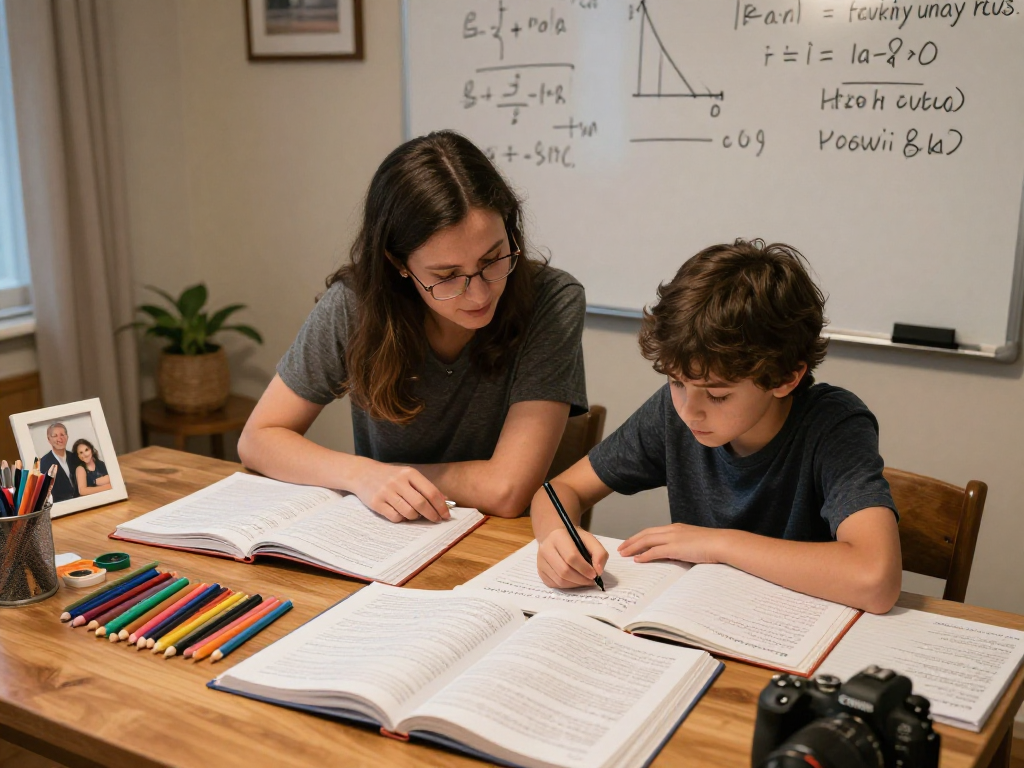
The Importance of Personalized Tutoring in 2026
As we advance into 2026, the landscape of education is continuously evolving, shedding light on the increasing significance of personalized tutoring. In a world where students have diverse learning needs and backgrounds, personalized approaches, especially in subjects like mathematics and English, are crucial for fostering academic success. Tailored tutoring not only addresses individual challenges but also engages students in a way that resonates with their unique learning styles. When exploring options, math and english tutors offer a personalized approach that can significantly enhance a child's educational experience.
Why Tailored Approaches Matter for Math and English Tutors
Educational research consistently supports the notion that personalized learning leads to better academic outcomes. Tailored approaches allow tutors to break down complex concepts in math and English, catering to the individual pace of each student. This individualized attention respects the natural variation in students' abilities and learning curves, which is especially vital in subjects where students may feel intimidated or overwhelmed.
Identifying Student Needs and Learning Styles
Understanding a student’s unique needs is pivotal. Tutors should assess their students’ strengths and weaknesses at the outset to create a customized learning plan. Whether a student is a visual learner who thrives on diagrams and videos, or an auditory learner who benefits from discussions and verbal explanations, recognizing these preferences can lead to remarkable improvements in engagement and retention of information.
Leveraging Technology for Personalized Learning Experiences
The rise of educational technology has transformed personalized tutoring. Online platforms and apps now offer various interactive tools that facilitate tailored learning experiences. For instance, adaptive learning software can analyze a student’s progress in real time and adjust the difficulty of exercises accordingly, ensuring that learners are consistently challenged without becoming frustrated.
Common Challenges Faced by Math and English Tutors
Addressing Varying Skill Levels Among Students
One of the most significant challenges in tutoring is dealing with a diverse range of skill levels. In a single session, a tutor may have to accommodate students who are significantly ahead or behind their peers, particularly in math and English. This variability necessitates a strategy that allows for differentiated instruction—a method that is both effective and inclusive.
Overcoming Learning Anxiety in Tutoring Sessions
Many students experience anxiety, particularly around subjects perceived as difficult, such as math and English. Tutors need to create a supportive environment that encourages questions and mistakes as a natural part of the learning process. Strategies such as positive reinforcement, relatable examples, and interactive exercises can help mitigate anxiety, allowing students to focus on learning rather than fear of failure.
Dealing with Distractions in a Home Study Environment
In 2026, many students continue to learn from home, which presents unique challenges. Distractions are plentiful, from noisy siblings to electronic devices. Tutors can work with parents to establish a conducive learning environment, suggesting strategies such as designated study times, quiet spaces, and the removal of distractions during sessions — all essential for maintaining focus during math and English tutoring.
Best Practices for Effective Tutoring Techniques
Utilizing Interactive Methods for Engaging Math Lessons
Interactive methods are essential for keeping students engaged, especially in subjects like math that may not initially excite every learner. Tutors can incorporate games, puzzles, and real-world applications to demonstrate mathematical concepts, making them more palatable and relevant to students.
Incorporating Creative Writing and Reading Comprehension Strategies
In English, creativity can be a powerful tool for comprehension and expression. Tutors should employ varied techniques, such as story mapping, peer reviews, and role-playing exercises, to enhance writing skills and reading comprehension. Such dynamic methods can cultivate a love for language and literature while improving crucial literacy skills.
Establishing Clear Learning Objectives and Milestones
Effective tutoring hinges on setting clear learning objectives. Tutors should work with students to define achievable milestones throughout their tutoring journey. These goals provide direction and a sense of achievement, motivating students to work towards specific outcomes, whether mastering a difficult math concept or improving writing skills.
Real-World Applications: Success Stories in Tutoring
Case Studies of Improved Academic Performance
Success stories abound in tutoring, with many students achieving remarkable academic improvements. For example, a student who struggled with basic math concepts was able to achieve grade-level proficiency thanks to personalized tutoring that targeted their specific areas of weakness. Such transformation highlights the profound impact of individualized attention in learning processes.
Testimonials from Students and Parents on Tutoring Impact
Feedback from students and parents often emphasizes the difference that personalized tutoring makes. Many parents report enhanced confidence and independence in their children as a result of targeted support. Testimonials reveal that students not only improve academically but also develop a more positive attitude towards learning.
Innovative Programs That Have Reshaped Tutoring Services
Various programs have emerged that leverage new technologies and methodologies to reshape traditional tutoring. For instance, some programs now pair students with tutors based on compatibility and learning preferences, ensuring that each match is as effective as possible. These innovations have fostered a more engaging, productive tutoring environment.
Future Trends in Tutoring: What to Expect by 2026
Emerging Technologies and Their Role in Education
Looking ahead, emerging technologies are set to revolutionize tutoring. Tools such as artificial intelligence and machine learning can further customize learning experiences, allowing tutors to adapt their methods based on data-driven insights. Chatbots and virtual tutors could also provide additional support outside regular sessions, making learning more accessible.
Shifts in Learning Preferences Post-Pandemic
The pandemic has altered learning preferences significantly, with more students preferring flexible, hybrid learning environments. Tutors need to adapt to these changes, offering both in-person and online sessions to meet students’ needs. This flexibility can increase engagement and cater to a broader range of learning styles.
Preparing for the Next Generation of Learners
As we approach 2026, tutors must prepare for the next generation of learners who will demand even more personalized, relevant education. This includes a greater emphasis on skills such as critical thinking, digital literacy, and emotional intelligence. Math and English tutors must integrate these competencies into their lessons to equip students for the future.
What to Look for in a Math and English Tutor?
When searching for a math and English tutor, parents should consider several factors, such as the tutor’s educational background, teaching experience, and ability to customize lessons. A good tutor should not only be knowledgeable in their subject matter but also possess strong communication skills and the ability to foster a positive learning environment.
How Can Parents Support their Children’s Tutoring Journey?
Active parental involvement can significantly enhance the effectiveness of tutoring. Parents should encourage their children to set personal goals, provide a quiet, dedicated study space, and maintain regular communication with tutors to understand progress and challenges. This support is crucial for promoting a productive tutoring environment.
What Are the Benefits of Group Tutoring vs. Individual Tutoring?
Both group and individual tutoring have their distinct advantages. Group tutoring can foster collaboration and social interaction, allowing students to learn from one another. Meanwhile, individualized tutoring provides focused attention tailored to a student's specific needs. Parents should consider their child's personality and learning style when choosing between these options.
How to Choose the Right Tutoring Platform?
Choosing the right tutoring platform involves evaluating factors such as user interface, available resources, and tutor qualifications. Parents should look for platforms that offer a user-friendly experience, a variety of subject options, and ample support for both students and parents. Researching reviews and case studies can further inform this decision.
What Strategies Help Retain Student Interest in Math and English?
To keep students engaged in math and English, tutors can employ gamification, real-life applications, and varied instructional methods. Incorporating technology, such as engaging educational games and interactive apps, can also enhance interest. Regularly updating the curriculum to include relevant and interesting content is key to maintaining motivation.