Understanding the Basics of Color Mixing
Color mixing is an essential practice that forms the foundation of artistic expression and design. Understanding how colors interact is crucial for artists, designers, and even DIY enthusiasts who want to create appealing visuals. From painting to graphic design, a solid grasp of color mixing can elevate your work, allowing for endless creative possibilities. When exploring options, Color Mixing provides comprehensive insights into how to achieve the desired results through various techniques and applications.
What is Color Mixing?
Color mixing refers to the process of combining two or more colors to create a new hue. This practice can be achieved through different methods, including subtractive and additive mixing. In subtractive mixing, often used in painting, pigments are combined, absorbing specific wavelengths of light and reflecting others. In contrast, additive mixing involves the overlapping of light, as seen in digital media, where colors are created by combining red, green, and blue light in various intensities.
Types of Color Mixing Techniques
There are three primary techniques for mixing colors: additive, subtractive, and average mixing. Additive mixing is prevalent in digital screens, where overlapping colored lights combine to form new shades. Subtractive mixing occurs in traditional media, such as painting, where pigments blend to absorb light. Average mixing, often used to represent how colors interact in the eye, provides a more theoretical approach to color perception.
Key Color Theory Principles
Understanding color theory is essential for effective mixing. Some fundamental principles include the color wheel, which organizes colors into primary, secondary, and tertiary groups. Complementary colors—those located opposite each other on the color wheel—create vibrant contrasts when used together. Additionally, the concept of hue, saturation, and brightness plays a pivotal role in how colors are perceived when mixed.
Essential Tools for Color Mixing
Having the right tools is crucial for successful color mixing, whether you're an aspiring artist or a seasoned professional. A well-equipped workspace will make the process smoother and more enjoyable. Here are some essentials that every color mixer should consider:
Must-Have Mixing Equipment
- Palette: A smooth surface to mix colors is essential. Palettes can be made from various materials, including glass, wood, or plastic.
- Pigment Sets: Quality paints or pigments are the cornerstone of color mixing. Choose high-quality brands known for their vibrancy and consistency.
- Measuring Tools: Precision is key in color mixing. Scales or graduated syringes help in accurately measuring paint ratios.
- Brushes and Tools: Different brushes, spatulas, and sponges can achieve various textures and finishes when applying mixed colors.
Choosing the Right Pigments
The choice of pigment greatly influences the outcome of your color mixing efforts. Organic pigments tend to produce vibrant colors, while inorganic pigments usually offer more stability and durability. When selecting pigments, consider their transparency, lightfastness, and the specific effects you want to achieve.
Setting Up Your Color Mixing Workspace
A well-organized workspace allows for efficient mixing and application of colors. Ensure adequate lighting, as it helps identify color accuracy. Keep your tools neatly arranged and accessible, and remember to have a clean area to mix colors to prevent contamination.
Advanced Color Mixing Techniques for Professionals
For those looking to refine their skills, advanced techniques can take your color mixing to the next level. Here, we explore methods that can enhance your artistic practice:
Layering and Glazing Techniques
Layering involves applying multiple transparent colors on top of each other. This technique creates depth and complexity in your artwork. Glazing, often used in oil painting, allows light to pass through the upper layers, enhancing the vibrancy of the underlying colors.
Creating Custom Shades and Tints
To develop unique colors, you must master the creation of tints and shades. A tint is created by adding white to a color, while a shade is made by adding black. Understanding how to manipulate these can expand your palette dramatically.
Mixing for Different Mediums: Oil, Acrylic, and Watercolor
Each medium requires a different approach to mixing. Oil paints have a slower drying time, allowing for extended blending, while acrylics dry quickly and need fast mixing techniques. Watercolors offer a transparent medium that can be layered or mixed for more fluid effects. Understanding the characteristics of each medium is vital for successful color mixing.
Color Mixing Challenges and Solutions
As with any artistic discipline, color mixing comes with its challenges. Here are some common issues and how to overcome them:
Common Misconceptions in Color Mixing
One prevalent misconception is that all colors can be mixed from the three primary colors. While this simplifies the concept, the reality is much more complex due to variations in pigment properties and undertones.
Troubleshooting Color Mixing Problems
When the outcome isn't what you expected, consider factors such as the quality of the pigments used, the ratios in which colors are mixed, and the environment in which you're working. Adjusting these variables can often resolve issues.
Practical Exercises to Improve Your Skills
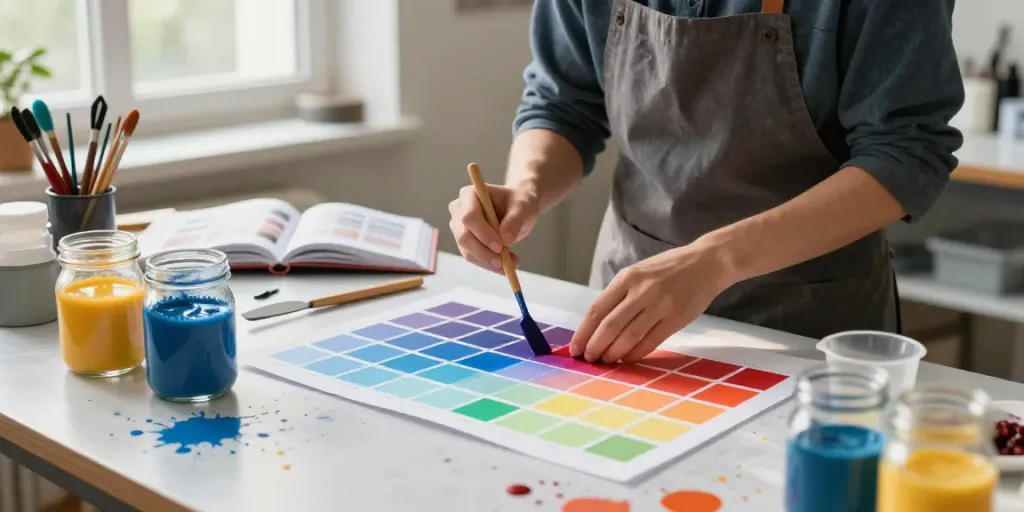
To improve your color mixing abilities, engage in practical exercises such as creating a color wheel, mixing complementary colors, or experimenting with opacity in different mediums. These hands-on practices can significantly enhance your understanding and skills.
The Future of Color Mixing in Art and Design
The landscape of color mixing is ever-evolving, influenced by advancements in technology, materials, and design trends. Here's what to expect in the future:
Emerging Trends in Color Use
In 2026 and beyond, color palettes are likely to embrace bolder and more unconventional combinations. Trends lean toward colors that evoke emotional responses, bridging the gap between artistic expression and psychological impact.
Technological Advances Impacting Color Mixing
Digital tools and software are revolutionizing how artists and designers approach color mixing. Virtual reality applications and augmented reality programs allow for real-time color visualization and mixing, broadening creative possibilities.
Predictions for Color Mixing in 2026 and Beyond
As we look to the future, the integration of artificial intelligence in color theory could provide personalized color recommendations based on user preferences and industry standards. This fusion of technology and creativity will open new doors for artists and designers alike.
FAQs
What colors mix to make what colors?
The primary colors (red, blue, and yellow) can be mixed to create secondary colors (green, orange, and purple). Tertiary colors result from mixing a primary with a secondary color.
How do I blend two colors effectively?
To blend two colors, start with equal amounts on your palette. Use a brush to mix them together thoroughly, applying various pressure and movement to achieve a smooth transition.
What are common mistakes in color mixing?
Common mistakes include improper ratios of colors, not accounting for drying time in paints, and misunderstanding the properties of pigments, which can lead to unexpected results.
What tools do I need for color mixing?
Essential tools include a mixing palette, quality paints or pigments, measuring tools, and various brushes and applicators for different techniques.
Can I mix colors digitally?
Yes, digital color mixing is possible using software that allows you to simulate blends. Many graphic design tools feature color mixers that replicate traditional mixing techniques.