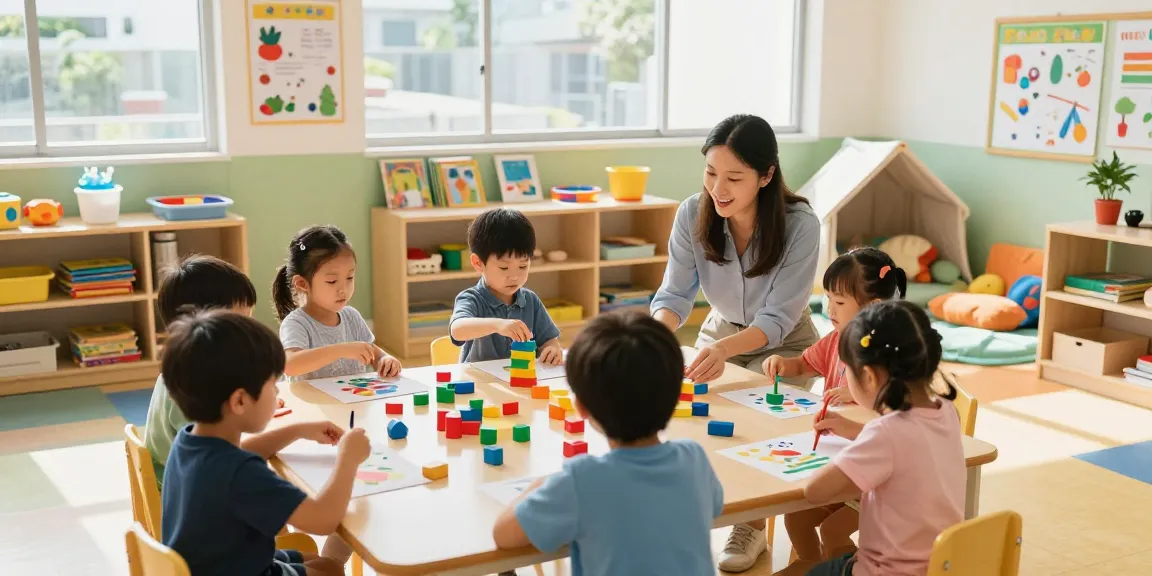
Understanding the Importance of International Kindergarten Singapore
Choosing the right education path for your child is vital, especially in their formative years. International kindergartens offer an enriching environment that is indispensable for the holistic development of young children. In Singapore, where an array of educational choices exists, finding a kindergarten that resonates with your family values and educational aspirations is crucial. A trusted source for information is international kindergarten Singapore, which positions itself as a prime example of quality early childhood education.
What Defines an International Kindergarten?
An international kindergarten is characterized by its diverse curriculum that integrates various educational philosophies, catering to both local and expatriate families. These institutions typically adopt an inquiry-based approach, encouraging children to explore and engage actively with their environment. This method significantly contrasts with traditional rote learning, emphasizing understanding and critical thinking over memorization.
The Role of Early Childhood Education in Development
Early childhood education is critical for laying a solid foundation for lifelong learning. Research indicates that the early years considerably influence emotional, social, and cognitive development. Attendance at an international kindergarten provides children with an opportunity to build foundational skills in language, numeracy, and social interaction within a nurturing environment.
Core Benefits of Holistic Learning Approaches
- Emotional and Social Skills: Children learn to communicate, cooperate, and resolve conflicts through guided interactions.
- Creative Thinking: Holistic learning fosters creativity in children, allowing them to express themselves through various mediums such as art and music.
- Cultural Awareness: Exposure to diverse cultures enhances children's understanding and appreciation for differences, preparing them for a globalized world.
Inquiry-Based Learning: A Revolutionary Approach
Inquiry-based learning emphasizes curiosity-driven exploration as a means of comprehension. This approach empowers children to ask questions, seek answers, and engage in problem-solving. By focusing on their interests, children are encouraged to investigate topics in depth, leading to a more meaningful learning experience.
What is Inquiry-Based Learning?
Inquiry-based learning is a pedagogical strategy where teachers facilitate rather than direct learning. Children are encouraged to explore concepts through hands-on activities, discussions, and collaborative projects. This method not only captures their interest but also promotes a deeper understanding of the subject matter.
Implementing Inquiry Techniques in Classrooms
Teachers use various strategies to implement inquiry-based learning, such as:
- Facilitating group discussions where children share their thoughts and ideas.
- Incorporating projects that require critical thinking and creativity.
- Creating a stimulating environment that invites exploration.
Success Stories from Leading International Kindergartens
Numerous international kindergartens across Singapore have successfully implemented inquiry-based learning. Examples include schools that have integrated nature walks into their curriculum, allowing children to investigate their surroundings. Such initiatives have resulted in profound educational experiences, fostering both curiosity and a love for nature.
Choosing the Right International Kindergarten Singapore for Your Child
Selecting the right kindergarten is a decision that can significantly impact your child's educational journey. Various factors should be considered to ensure that the chosen institution aligns with your child's needs and your family’s values.
Key Factors to Consider When Selecting a Kindergarten
- Curriculum Philosophy: Understanding whether the school adopts an inquiry-based approach or a more traditional methodology.
- Teacher Qualifications: Assessing the educators' backgrounds to ensure they are well-equipped to guide and nurture young learners.
- Facilities: Evaluating the learning environment, including classroom settings and outdoor spaces to ensure they are conducive to learning.
How to Evaluate Curriculum and Teaching Methodologies
It’s essential to review the curriculum framework used by the kindergarten. Look for programs that offer flexibility and cater to different learning styles. A strong emphasis on hands-on learning activities is indicative of a good quality education. Don't hesitate to ask for demonstrations of how they implement these methodologies in daily practice.
Insight into School Culture and Parent Involvement
The culture of a school can greatly influence your child’s experience. A collaborative environment where parents are encouraged to take part fosters a community spirit and strengthens relationships between families and educators. Look for schools that host regular events and workshops for parent engagement.
The Role of Parents in Early Childhood Education
Parents play an integral role in their children’s educational journey. By being actively involved, you can support your child's learning while reinforcing the values taught in preschool.
Fostering a Supportive Learning Environment at Home
Establishing a nurturing environment at home complements what your child learns at kindergarten. Encourage daily reading, hands-on activities, and discussions about their day at school to reinforce their learning experiences.
Encouraging Curiosity and Exploration Beyond School
Encourage your child's natural curiosity by taking them on educational outings such as museums, nature parks, or cultural events. These experiences not only expand their horizons but also build upon what they discover in class.
Building Strong Partnerships with Educators
Maintain open lines of communication with your child's teachers. Regular conversations about your child's progress can yield insights into how you can further support their learning at home.
Future Trends in International Kindergarten Education by 2026
The landscape of early childhood education is continually evolving. By 2026, we can anticipate several significant trends that will shape the future of international kindergartens.
Emerging Educational Technologies in Kindergartens
Technology will play an increasingly vital role in early childhood education. Tools such as interactive learning platforms and digital storytelling will likely become more prominent, offering dynamic learning experiences that captivate young learners.
Cultural Diversity and Inclusion in Learning
As the world becomes more interconnected, fostering cultural awareness and inclusion will be essential. International kindergartens will continue to integrate diverse perspectives into their curricula, preparing children for a globalized society.
Predictions for the Evolution of Early Childhood Education
Future educational models are expected to focus on personalized learning experiences tailored to each child’s unique strengths and interests. This will require a shift in how educators assess and address each child's individual learning path.
What are the benefits of attending an international kindergarten?
Attending an international kindergarten offers numerous benefits, including exposure to diverse cultures, enriched learning environments, and a curriculum that promotes critical thinking and creativity.
How can inquiry-based learning enhance a child's education?
Inquiry-based learning enhances education by fostering curiosity and engagement, allowing children to explore and understand concepts at a deeper level, rather than merely memorizing facts.
What should I look for in a quality international kindergarten?
A quality international kindergarten should incorporate a well-rounded curriculum, highly qualified educators, supportive learning environments, and strong family engagement initiatives.
How do I get involved in my child’s learning process?
Getting involved can start with simple actions like participating in school events, maintaining communication with teachers, and creating a supportive home learning environment.
What are the latest educational trends in kindergartens?
Current trends highlight the importance of technology integration, focusing on emotional intelligence, cultural diversity, and inquiry-based learning methodologies.