Understanding Containerized Water Treatment Systems
Water treatment systems have become an essential part of managing our increasingly scarce water resources. Among the various solutions available, containerized water treatment systems stand out for their modularity and flexibility, enabling tailor-made solutions for diverse applications, from municipal to industrial settings. These systems are designed for seamless relocation and reuse, accommodating changes in demand and environmental conditions. With QILEE's innovative approach, the relentless journey towards providing safe, soft, and healthy drinking water can now occur anywhere in the world, irrespective of the incoming water quality. When exploring options, water treatment systems Supplier provides comprehensive insights into the benefits these advanced systems offer.
What are Containerized Water Treatment Systems?
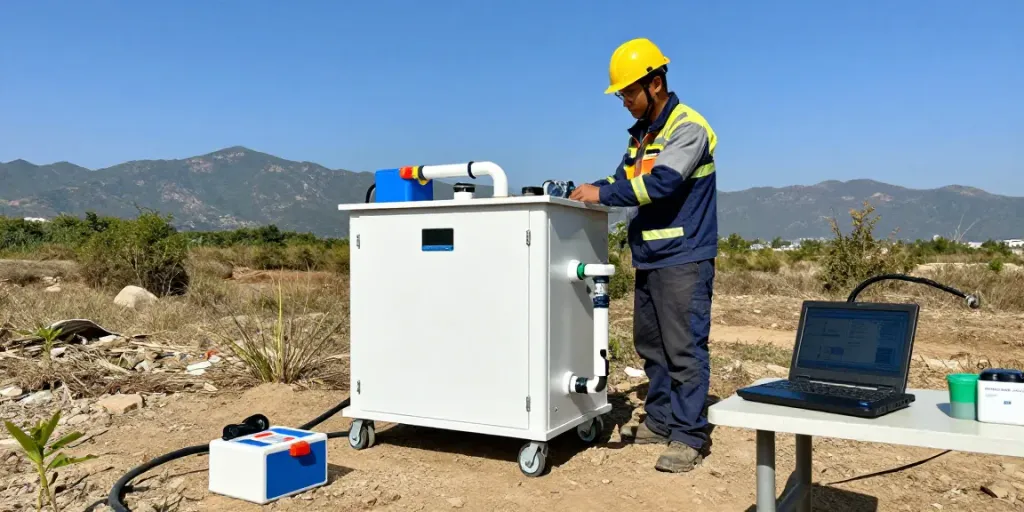
Containerized water treatment systems are prefabricated, modular units designed to treat water in a compact, efficient manner. These systems are engineered to operate autonomously, allowing for the treatment of various water sources—ranging from surface water to brackish or even saline water. One of their most significant advantages is the ability to be transported easily, making them ideal for remote locations or areas experiencing natural disasters where traditional infrastructure may be compromised.
Core Technologies in Water Treatment
These systems leverage several cutting-edge technologies, including:
- Reverse Osmosis (RO): A process that removes contaminants from water molecules using a semipermeable membrane, resulting in high-purity water.
- Electrodeionization (EDI): This technology combines ion-exchange resins and an electric field to remove ionized species from water, ensuring ultra-pure water suitable for pharmaceutical and industrial applications.
- Filtration Techniques: Various filtration methods, including sand, carbon, and membrane filtration, play crucial roles in removing particulates and improving water quality.
Benefits of Modular Design in Water Treatment
The modular design of containerized systems offers several benefits:
- Flexibility: They can be configured to suit specific needs, enabling customization based on local water conditions.
- Scalability: Systems can be expanded or reduced in response to changing demand, allowing for efficient resource allocation.
- Quick Deployment: Containerized systems can be set up in as little as 3 to 7 days compared to traditional systems that often require months for construction.
Advantages of Choosing a Water Treatment Systems Supplier
When selecting a supplier for your water treatment solutions, considering their expertise and technology offerings can significantly impact the efficacy and efficiency of your operations. A reputable water treatment systems supplier not only provides high-quality products but also ensures ongoing support and maintenance throughout the system's lifecycle.
Quality Assurance and Monitoring
Advanced systems often incorporate intelligent monitoring technologies that provide real-time data analysis, ensuring water quality remains consistently high. These smart technologies allow operators to quickly identify and rectify any issues, effectively minimizing downtime and ensuring compliance with health regulations.
Cost Efficiency Compared to Traditional Systems
Containerized systems generally have a lower total cost of ownership than traditional water treatment systems. The reduced site preparation requirements and shortened deployment timelines mean fewer labor and material costs. This efficiency translates into significant savings over time, making containerized solutions an economically attractive choice for many organizations.
Customization and Scalability Options
One of the standout features of containerized water treatment systems is their ability to adapt to different operational scales. Whether for small rural communities or large urban areas, these systems can be customized to meet specific demands, ensuring that the water quality and quantity are always maintained. This adaptability is particularly beneficial for industries facing fluctuating operational challenges.
Implementation Strategies for Containerized Systems
Successfully implementing a containerized water treatment system involves careful planning and execution. Here are some critical strategies for effective deployment:
Site Preparation and Setup Process
Proper site preparation is crucial for the successful deployment of a containerized system. A flat, stable surface is typically required, which minimizes the construction time and effort. Suppliers often provide guidance on site selection and preparation, ensuring that the location is optimal for the system's operation.
Training and Operational Guidelines
Training personnel on the new system's operation is essential for maximising its effectiveness. Comprehensive training programs offered by suppliers equip operators with the necessary skills to monitor and maintain the system efficiently, ensuring seamless integration into existing operational processes.
Maintenance Best Practices
Regular maintenance is key to ensuring the longevity and reliability of any water treatment system. Establishing a routine maintenance schedule, including regular inspections, cleaning, and part replacements, can prevent costly repairs and downtime, thereby extending the system's operational life.
Key Features of QILEE's Water Treatment Systems
QILEE's containerized water treatment systems boast a range of advanced features designed to enhance performance and adapt to specific needs.
Advanced Filtration Technologies
With integration of the latest filtration technologies, QILEE's systems ensure high-quality, purified water that meets stringent industry standards. The combination of RO and EDI processes provides a solution capable of tendering ultra-pure water for sensitive applications, such as pharmaceuticals and laboratories.
Real-time Monitoring and Control Systems
Equipped with an intelligent control system, QILEE's solutions allow for real-time monitoring and immediate adjustments to water treatment processes, ensuring optimized performance under varying conditions. This capability significantly enhances operational efficiency and safety.
Environmental Impact and Sustainability Considerations
Sustainability is a priority in modern water treatment approaches. QILEE’s systems are designed to minimize waste while maximizing resource recycling, with a focus on integrating reclaimed water modules to promote eco-friendly practices. Supporting a resource recycling rate of up to 80%, these systems contribute to sustainable water management efforts worldwide.
Future Trends in Water Treatment Solutions
The water treatment industry is undergoing rapid changes driven by technological advancements and pressing environmental challenges. Staying ahead of these trends is vital for suppliers and users alike.
Innovations Shaping the Industry by 2026
As the industry progresses, innovations such as AI-driven analytics, advanced membrane technologies, and integrated water management systems will continue to shape how water treatment systems operate. These advancements will optimize processes, reduce waste, and enhance overall water quality.
Adapting to Global Water Challenges
With increasing water scarcity and pollution, industries and municipalities must explore adaptive solutions that meet current and future challenges. Containerized systems are uniquely positioned to serve as rapid-response solutions in various environments, providing clean water when and where it is needed most.
Predictions for Market Growth and Supplier Dynamics
The demand for water treatment solutions is expected to grow significantly in the coming years, driven by both regulatory pressures and consumer expectations for sustainable practices. This growth will encourage competition among suppliers, leading to better quality and more innovative solutions for end-users.
How Can Containerized Systems Adapt to Future Needs?
As the landscape of water treatment continues to evolve, containerized systems will remain adaptable, readily accommodating new technologies and processes to meet changing regulatory and market demands.
What are the benefits of containerized water treatment systems?
The primary benefits include modularity for easy relocation, rapid deployment, customization for specific contexts, and advanced technology integration that ensures high water quality and operational efficiency.
How quickly can a containerized system be deployed?
Containerized systems can typically be deployed on-site within 3 to 7 days, a significant reduction compared to traditional systems that may take 3 to 6 months for installation.
What is the cost comparison with traditional water treatment systems?
Overall, containerized systems offer a lower total cost of ownership due to reduced construction time, lower operational costs, and greater flexibility in scaling operations as needed.
What industries benefit most from these systems?
Industries that require high-purity water, such as pharmaceuticals, food processing, and manufacturing, gain significant advantages from containerized water treatment systems due to their adaptability and rapid deployment.
How important is water quality monitoring in treatment systems?
Continuous monitoring is critical in ensuring that water quality meets safety and compliance standards, while also helping operators respond quickly to potential quality fluctuations.