The Significance of Nyonya Culture
Nyonya culture, a vibrant fusion of Chinese and Malay traditions, embodies the rich historical narratives of the Peranakan people. This unique heritage extends to every aspect of life, especially in the culinary realm, where flavors and techniques are passed down through generations. The complexity of Nyonya cooking, known for its aromatic spices and multi-layered flavors, reflects the cultural intersections that define this community. When exploring options, nyonya4d provides comprehensive insights into this culinary heritage.
Understanding the Origins of Nyonya Cuisine
The roots of Nyonya cuisine can be traced back to the 15th century when Chinese immigrants settled in the Malay Peninsula and married local Malay women. This cultural intermingling resulted in a unique identity and culinary style characterized by the use of local ingredients, traditional cooking methods, and the incorporation of Malay spices.
The Nyonya, the female descendants of these unions, became the custodians of this blended culinary tradition, adeptly integrating Chinese cooking techniques with Malay flavors. This syncretism is evident in dishes like Laksa, where rice noodles meet spicy coconut curry soup, and Ayam Buah Keluak, a chicken dish flavored with a unique black nut native to the region.
Key Cultural Practices Influencing Nyonya Dishes
Culinary practices in Nyonya culture are steeped in tradition and rituals that enhance the experience of cooking and dining. Many Nyonya dishes are tied to ceremonial occasions such as weddings, births, and festivals. For example, during Chinese New Year, families prepare special dishes that symbolize prosperity and good fortune, with each ingredient holding significance.
Moreover, the preparation of Nyonya food often involves labor-intensive methods, such as grinding spices using traditional tools, which not only emphasizes the importance of quality ingredients but also fosters a sense of community as family members come together to cook.
Preserving the Nyonya Heritage for Future Generations
Efforts to preserve Nyonya cuisine and culture are crucial as globalization continues to influence culinary trends. Various organizations and cultural institutions are dedicated to documenting traditional recipes and practices, ensuring that they are not lost to the passage of time. Additionally, culinary schools are beginning to incorporate Nyonya cooking into their curricula, providing a platform for younger generations to learn about their heritage.
Community events like food festivals and cooking workshops also play a significant role in keeping the Nyonya spirit alive. These gatherings not only celebrate Nyonya cuisine but also foster intercultural understanding and appreciation.
Essential Ingredients in Nyonya Cooking
Nyonya cuisine is renowned for its bold flavors, which stem from a variety of essential ingredients. Understanding these components is key to mastering Nyonya dishes and appreciating their complexity. The unique flavor profiles are created through a harmonious blend of spices, herbs, and fresh produce.
Common Spices and Herbs Used in Nyonya Recipes
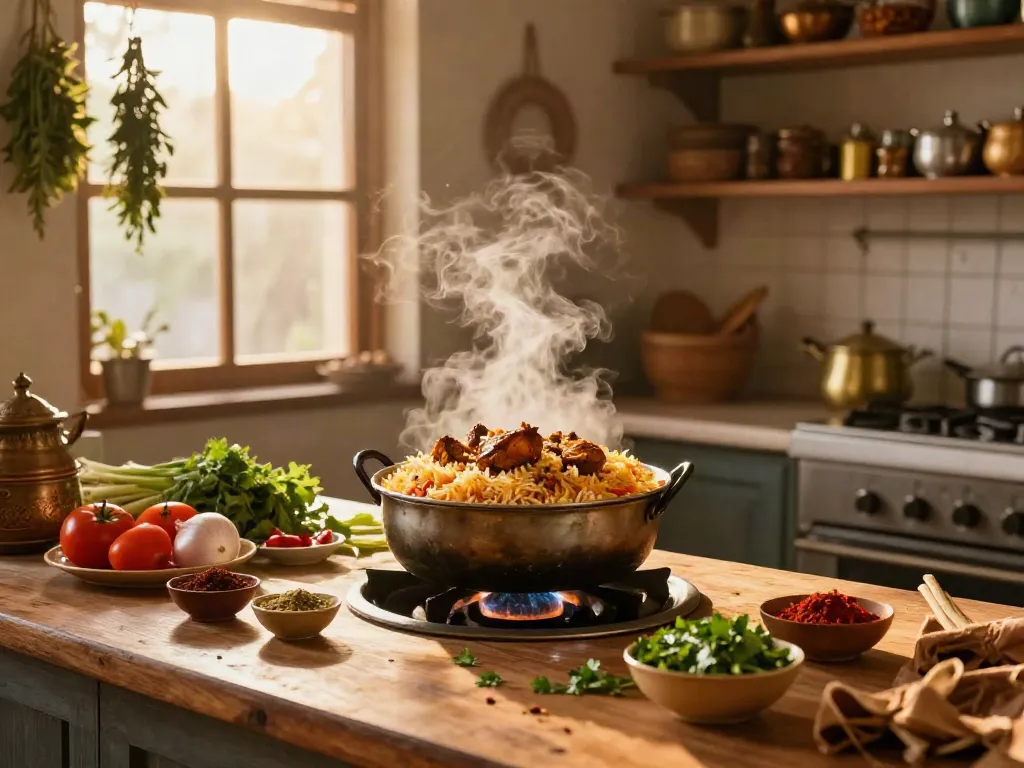
Spices and herbs are the backbone of Nyonya cooking, with common ingredients including turmeric, lemongrass, galangal, and kaffir lime leaves. Each of these ingredients contributes distinct flavors and aromas, elevating the dishes to new heights. For instance, turmeric imparts a vibrant yellow hue and an earthy flavor, while lemongrass adds a citrusy freshness.
The use of rempah, a spice paste made from a blend of various ingredients, is a hallmark of Nyonya cuisine. This paste is often used as a base for soups, stews, and curries, showcasing the meticulous balancing of flavors essential to Nyonya cooking.
Impact of Local Produce on Nyonya Dishes
Freshness and quality of ingredients are paramount in Nyonya cuisine, and local produce plays a vital role. Many Nyonya cooks prioritize seasonal and locally sourced vegetables and fruits, which not only enhance flavor but also support local farmers. The use of fresh produce leads to dishes that are not only delicious but also showcase the best of the region's offerings.
For example, in dishes like Nyonya Achar, the pickled vegetables reflect the freshest seasonal produce, combined with a tangy and spicy paste. Similarly, the use of coconut, whether in milk form or grated, is fundamental in providing rich textures and flavors across many dishes.
Seasonal Variations in Nyonya Culinary Practices
Seasonality influences Nyonya cooking in significant ways, dictating the types of dishes prepared at different times of the year. During the monsoon season, heavier dishes that provide warmth and comfort are preferred, while lighter, more refreshing food is favored during the hot, dry months.
Moreover, festivals often bring their own culinary traditions, with specific dishes prepared to honor customs and celebrate the seasons. For instance, during the harvest festival, Nyonya families might prepare special rice cakes infused with flavors reflective of the crops that have been harvested.
Traditional Nyonya Dishes You Must Try
Nyonya cuisine is a treasure trove of flavors, with an array of traditional dishes that highlight its unique culinary identity. Each dish tells a story, revered not just for its taste but for its cultural significance.
Signature Nyonya Dishes and Their Unique Flavors
One cannot discuss Nyonya cuisine without mentioning its signature dishes. Roti Jala, a lacy crepe served with curry, is a perfect example of how texture can elevate a dish. Similarly, Nasi Ulam, a herb-infused rice dish, showcases the fresh flavors of herbs, demonstrating the importance of freshness in Nyonya cooking.
Another must-try dish is Kueh Pie Tee, a crispy pastry shell filled with a savory mixture of shredded vegetables and prawns, which serves as both a delightful appetizer and a conversation starter at family gatherings.
How to Prepare Popular Nyonya Recipes
Preparing Nyonya dishes often involves careful attention to detail and a commitment to authenticity. Recipes such as Laksa can be made at home using a blend of spices to create the curry base and fresh seafood or chicken for the toppings.
For those eager to dive into Nyonya cooking, starting with simpler recipes such as Otak-Otak (grilled fish cake wrapped in banana leaves) can be rewarding. The process involves marinating fish with spices and grilling it to perfection, serving as a delightful introduction to Nyonya flavors.
Modern Twists on Classic Nyonya Cuisine
In recent years, chefs have begun to experiment with Nyonya cuisine, incorporating contemporary techniques and global ingredients to create innovative dishes. This evolution does not dilute the essence of Nyonya food but rather breathes new life into it, allowing it to reach broader audiences.
For example, fusion dishes that combine Nyonya flavors with Western cooking techniques are becoming increasingly popular. A notable dish is Char Kway Teow with a Nyonya twist, featuring the traditional fried flat noodles infused with spicy sambal and a variety of seafood, showcasing the adaptability of Nyonya cuisine.
Exploring Nyonya Dining Etiquette
Dining in Nyonya culture is not just about the food; it encompasses a variety of customs and etiquette that reflect respect for tradition and family values. Understanding these practices can enhance the dining experience for both hosts and guests.
Traditional Practices at Family Gatherings
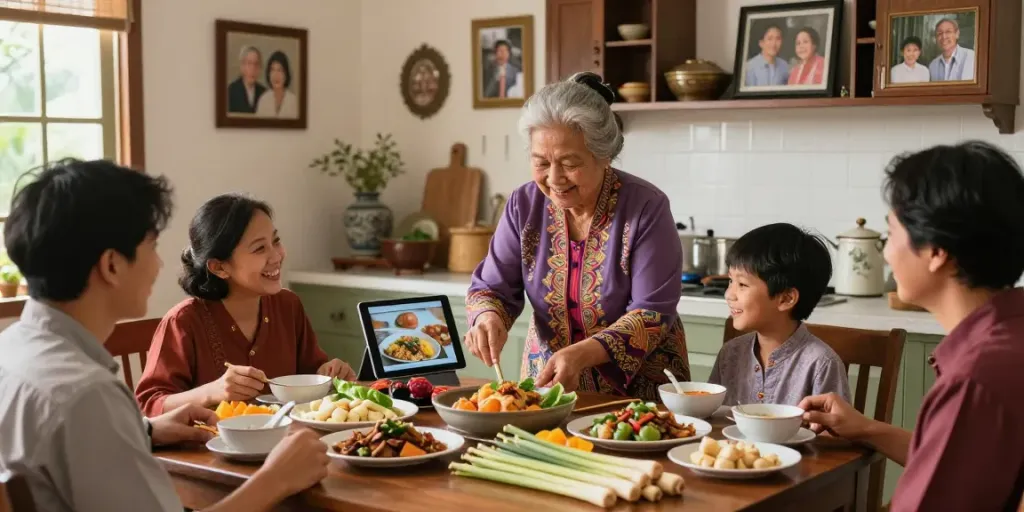
Family gatherings often center around food, serving as a time to reconnect and celebrate heritage. It is customary for the eldest family member or a respected figure to begin the meal, highlighting the importance of hierarchy and respect in Nyonya culture. Guests are typically encouraged to sample a variety of dishes, sharing and discussing flavors in a communal setting.
One notable tradition is the use of shared serving dishes, which fosters a sense of togetherness as everyone partakes in the meal. This practice also allows for the appreciation of the effort that goes into preparing each dish.
Understanding the Role of Food in Nyonya Celebrations
Food is integral to celebrations in Nyonya culture, playing a significant role in festivals and family events. Certain dishes, like Kueh Lapis during birthdays, symbolize wishes for longevity and prosperity, while other seasonal dishes honor specific traditions.
During significant holidays such as Chinese New Year, families often prepare and exchange delicacies as a gesture of goodwill, reinforcing bonds within the community and with friends.
Modern Influences on Nyonya Dining Culture
As globalization continues to change culinary landscapes, Nyonya culture is also evolving. Young chefs are blending traditional recipes with modern presentations, creating a dining experience that appeals to contemporary tastes. This fusion is paving the way for Nyonya cuisine to gain international recognition while maintaining its authentic roots.
Restaurants across the globe now serve reimagined Nyonya dishes, bringing unique flavors to new audiences. Through social media and food blogs, the richness of Nyonya culture is being shared, allowing for a greater appreciation of its culinary artistry.
Future Trends in Nyonya Cuisine
Looking ahead, Nyonya cuisine is positioned to continue its evolution while remaining deeply tied to its heritage. As culinary trends shift, there is ample opportunity for innovation within traditional frameworks.
Emerging Innovations in Nyonya Cooking
As technology advances, innovative cooking methods such as sous-vide cooking and molecular gastronomy are being experimented with in Nyonya cuisine. By utilizing modern techniques, chefs are able to enhance flavors and textures while presenting these beloved dishes in new ways.
Additionally, there is a rising interest in sustainable cooking practices, with many Nyonya chefs focusing on locally sourced ingredients, reducing waste, and adopting eco-friendly practices in the kitchen.
Connecting Nyonya Cuisine with Global Trends
The interconnectedness of the global food scene has opened up pathways for Nyonya cuisine to thrive. As more people seek out diverse dining experiences, Nyonya dishes are being embraced for their unique flavors and cultural stories.
Global food festivals and culinary events often feature Nyonya cuisine, further bridging the gap between cultures and expanding audiences who appreciate its complexity.
How Technology is Shaping Nyonya Culinary Heritage
Technology is playing an essential role in the evolution of Nyonya cuisine, from recipe documentation to cooking tutorials shared online. Food bloggers and social media influencers are showcasing Nyonya dishes, inspiring a new generation of cooks to engage with their heritage.
Moreover, virtual cooking classes allow enthusiasts worldwide to learn about Nyonya cuisine, breaking geographical barriers and fostering a greater appreciation for its rich tapestry.
How to Incorporate Nyonya Flavors in Everyday Cooking?
For those interested in bringing Nyonya flavors into their kitchens, starting with simple ingredients like sambal, coconut milk, and a variety of spices can make a significant impact. Learning to make a basic rempah can serve as a foundation for numerous dishes.
Experimenting with Nyonya-inspired fusion dishes can also be enjoyable. Consider adding Nyonya spices to familiar recipes, such as using lemongrass in marinades or turmeric in rice, to introduce an exciting twist to everyday meals.
What Are the Most Popular Nyonya Dishes Today?
Some of the most celebrated Nyonya dishes include Laksa, Popiah (fresh spring rolls), and Ayam Pongteh (braised chicken). Each dish exhibits the hallmark Nyonya flavors of sweetness, spiciness, and tanginess, ensuring they remain favorites among both locals and visitors.
As the world becomes more interconnected, these traditional dishes are gaining recognition, ensuring that the Nyonya legacy will endure for generations.
How Can We Preserve Nyonya Heritage for Future Generations?
Preserving Nyonya heritage requires collaborative efforts from community members, cultural organizations, and educational institutions. Initiatives focused on documenting oral histories, recipes, and traditional practices ensure that the knowledge is passed down.
Moreover, engaging younger generations through interactive cooking classes and cultural workshops fosters a deeper understanding of their heritage and encourages them to keep these traditions alive.
What Makes Nyonya Cuisine Unique Compared to Other Asian Cuisines?
What sets Nyonya cuisine apart is its distinct blend of Chinese and Malay influences, resulting in a unique culinary identity characterized by rich aromas, vibrant hues, and diverse textures. Unlike other Asian cuisines, Nyonya food emphasizes the use of fresh herbs and spices, and it often incorporates techniques and flavors from both cultures.
This rich tapestry of flavors, combined with the cultural narratives attached to each dish, makes Nyonya cooking a treasure trove of experiences waiting to be explored.
What Role Does Family Play in Nyonya Cooking?
Family is at the heart of Nyonya cooking, with many recipes being family heirlooms passed down through generations. Cooking together fosters a sense of belonging and cultural heritage. Family gatherings focused on food not only reinforce relationships but also serve to educate younger members about their culinary roots.
By engaging in the cooking process together, families create lasting memories while honoring their Nyonya heritage.