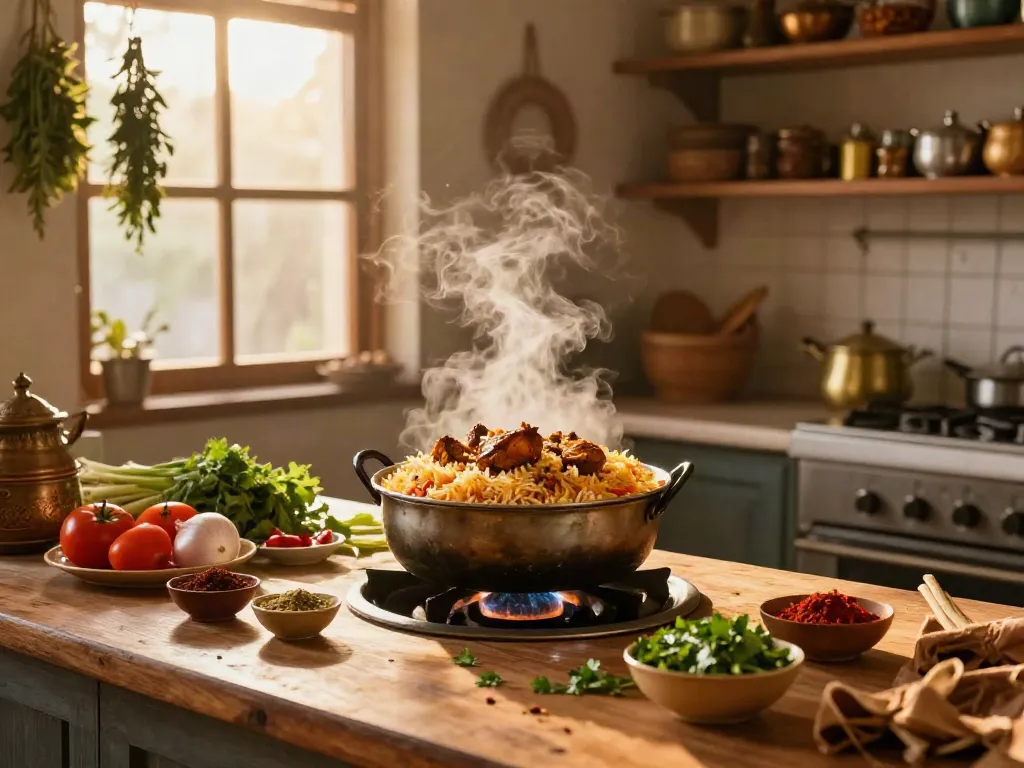
Understanding the Art of Biryani
Biryani is not merely a dish; it is a celebration of flavors, aromas, and cultural heritage that transcends borders. Among the multitude of biryani varieties, the Pakistani Chicken Biryani holds a special place in the hearts of food enthusiasts. This dish, with its vibrant spices and tender chicken combined with fluffy rice, is often the centerpiece of family gatherings and festive occasions. While exploring options, Best and authentic biryani recipes can guide you toward mastering this culinary classic.
What is Authentic Biryani?
To grasp the essence of authentic biryani, one must trace its roots to South Asian cuisine, where rice dishes are transformed through intricate cooking methods. Authentic biryani is characterized by its aromatic basmati rice layered with marinated meat and a medley of spices. Unlike simple rice and meat combinations, biryani is about cooking each component separately before bringing them together, allowing flavors to meld harmoniously. This process is often termed "Dum," which involves slow cooking in a sealed pot to trap steam.
Historical Roots and Cultural Significance
The history of biryani is rich and layered, akin to the dish itself. It is believed to have originated from Persian kitchens, brought to the Indian subcontinent through Mughal emperors. Each region has imbued the dish with local flavors and ingredients, resulting in various interpretations from the Hyderabadi to the Sindhi biryani. In Pakistan, biryani is not just food; it represents communal harmony and togetherness, often served during celebrations, weddings, and religious festivities.
Differences Between Pakistani and Other Biryani Variations
While the core elements of biryani remain consistent—rice, meat, and spices—the cooking styles and flavor profiles distinguish Pakistani biryani from its Indian counterparts. For instance, Pakistani biryani often utilizes yogurt for marination, giving it a tender texture and rich flavor. Additionally, the spice levels can differ significantly, with Pakistani versions being enshrined in a balance of heat and aromatic undertones, making them unique and appealing to diverse palates.
Key Ingredients for Best and Authentic Biryani
Essential Spices for Flavor
The magic of biryani lies in its spices. A well-rounded biryani includes essential spices such as cumin, cardamom, bay leaves, and star anise. These spices can be used whole or ground, depending on the recipe. Moreover, incorporating saffron or turmeric not only adds vibrant color but also infuses a luxurious aroma.
Choosing the Right Type of Rice
When it comes to biryani, the type of rice used can make or break the dish. Basmati rice is the gold standard due to its long grains and fragrant aroma. The rice should be parboiled—cooked until it is 70% done—before layering it with the meat, which allows for a perfect texture that is fluffy rather than sticky.
Meat Selection: Chicken, Mutton, or Beef?
While chicken is the most commonly used protein in biryani, mutton and beef are equally popular in certain regions. Chicken is preferred for its quick cooking time, while mutton and beef require longer marination and cooking to achieve tenderness. Choosing the right meat depends on personal preference and cooking time available.
Step-by-Step Guide to Making Biryani
Prepping Ingredients: What You Need
Before you embark on your biryani-making adventure, gather all the necessary ingredients. You'll need:
- 800 grams of chicken (karahi cut)
- 3 cups basmati rice
- 1 large onion, sliced
- 2 medium tomatoes, chopped
- 1 tablespoon ginger-garlic paste
- 3 medium-sized potatoes, halved
- 1 cup yogurt
- Spices: salt, turmeric, red chili powder, and biryani masala.
- Fresh herbs for garnishing: cilantro and mint.
Cooking Techniques for Perfect Rice
To achieve the iconic fluffy biryani rice, start by boiling water in a large pot. Add salt to the boiling water, followed by the basmati rice. Cook the rice until it is al dente, about 70% done. Drain and set aside. This step is crucial as undercooked rice allows for the absorption of flavors during the final cooking phase.
Layering and Dum Cooking Method Explained
Begin layering with a portion of the chicken mixture at the bottom of a heavy-bottomed pot. Following this, carefully add a layer of the parboiled rice. Alternate between layers of chicken and rice, finishing with a rice layer on top. Garnish with lemon slices, mint leaves, and a sprinkle of saffron or orange food color. Seal the pot with a heavy lid and allow the biryani to cook on low heat for approx. 25 minutes to achieve the perfect "dum" effect.
Common Mistakes When Making Biryani
Overcooking the Rice
A common misstep is overcooking the rice during the boiling process. This can lead to a mushy texture that detracts from the overall dish. Ensuring the rice is only partially cooked will allow for proper absorption of flavors in the final cooking step.
Imbalanced Spice Measurements
Another frequent issue lies in not measuring spices correctly. An overload of certain spices can overwhelm the dish and mask its authentic flavors. Balance is key; following the measurements in a tried-and-tested recipe can help maintain harmony among flavors.
Skipping the Marination Step
Marination is crucial for developing rich flavors in biryani. Skipping this step may result in bland meat. Allowing the meat to marinate in yogurt and spices for a few hours—or ideally overnight—enhances tenderness and infuses it with flavor.
Serving and Pairing Suggestions
Best Accompaniments for Biryani
Biryani is a standalone dish, but it can be complemented with various sides. Raita, a yogurt-based condiment, is a classic pairing that balances the heat of biryani. Additionally, pickles, chutneys, and salads can elevate your biryani experience.
Raita and Chutney Variations to Try
Raita can be customized to your taste; consider mixing yogurt with diced cucumbers, onions, and fresh herbs for a refreshing addition. Try different chutneys, such as mint or tamarind, to add a tangy contrast to your biryani.
Creative Serving Styles and Garnishes
Presentation can enhance your dining experience significantly. Serve biryani in a traditional pot for an authentic touch, garnishing with crispy fried onions, fresh mint, and pomegranate seeds, which provide color and texture.
Frequently Asked Questions
What are the secrets to the best biryani?
The secret lies in quality ingredients, proper marination, and perfect cooking techniques. Investing in good quality basmati rice and spices, along with slow cooking, can transform your biryani from simple to extraordinary.
Which biryani is considered the most authentic?
While authenticity can vary by region, many consider the Karachi biryani to be among the most authentic due to its rich flavors and cooking style that reflects cultural heritage.
How to adjust spice levels for different preferences?
To cater to varying spice tolerances, consider reducing the amount of red chili powder or using milder spices. You can also serve spicy condiments on the side, allowing guests to customize their meal.
Can I make biryani ahead of time?
Yes, biryani can be made ahead of time and reheated. However, it is best to store it without the garnishes, which can be added fresh upon serving to maintain flavor and texture.
What are some popular biryani garnishes?
Common garnishes include fried onions, fresh mint, coriander leaves, and boiled eggs. Each adds a unique flavor and enhances the visual appeal of the dish.