Understanding Engineered Composites in Manufacturing
In the realm of manufacturing, engineered composites are revolutionizing how industries approach material selection and structural integrity. Among these materials, Glass Reinforced Plastic (GRP) stands out due to its unique combination of strength, lightweight properties, and longevity. Engineered Composites, a leading GRP manufacturer in the UK, boasts over 40 years of experience in providing innovative solutions across various sectors, including construction, utilities, and marine applications. This article delves into the compelling advantages of GRP, its applications, and how Engineered Composites ensures exceptional quality in production.
What Are Engineered Composites?
Engineered composites refer to materials consisting of two or more constituent materials that, when combined, yield properties not attainable by any individual component. These materials are designed for specific performance characteristics, making them ideal for a multitude of applications. The most common type within this category is GRP, which combines glass fibers with a resin matrix to create a product with high tensile strength and low weight.
The Role of GRP in Modern Manufacturing
GRP plays a pivotal role in modern manufacturing, serving as a backbone for various structural applications. Its lightweight nature—up to 70% lighter than traditional steel—allows for easier handling and reduced shipping costs. Moreover, GRP's excellent corrosion resistance ensures that it can endure harsh environments without deteriorating, making it a preferred choice for industries looking to enhance durability and performance.
Key Industries Utilizing Engineered Composites
Several industries benefit from the use of engineered composites, particularly GRP. Key sectors include:
- Construction: GRP is widely used for grating, handrails, and supports in both residential and commercial projects.
- Marine: Its resistance to saltwater and chemicals makes it ideal for boat hulls and marine structures.
- Utilities: GRP is favored for utility poles, walkways, and fencing due to its longevity and low maintenance.
- Transportation: Used in railway infrastructure and automotive components for its lightweight and strong characteristics.
- Telecommunications: GRP enclosures and cabinets that protect sensitive electronics from environmental damage.
Benefits of Engineered Composites Over Traditional Materials
Weight Reduction and Performance Enhancement
The lightweight nature of GRP not only simplifies logistics but also allows engineers to design structures that require less support, reducing overall project costs. This is particularly beneficial in sectors such as construction, where weight savings can lead to lower foundation costs. Moreover, GRP's high strength-to-weight ratio enhances performance in various applications, from structural beams to aesthetic features.
Corrosion Resistance and Longevity
One of the major drawbacks of traditional materials like steel and aluminum is their susceptibility to corrosion. GRP exhibits excellent resistance to a wide range of chemicals, UV rays, and moisture, making it a superior choice for outdoor and industrial applications. This corrosion resistance translates to a longer lifespan—GRP products can last over 50 years with minimal maintenance, reducing the need for costly replacements.
Cost-Effectiveness and Lifecycle Advantages
While the initial cost of GRP products may be higher than conventional materials, the long-term savings associated with their durability, low maintenance requirements, and energy-efficient production methods make them a cost-effective solution. Companies can also realize savings from reduced labor costs during installation, as GRP products are often lighter and quicker to handle compared to steel or aluminum options.
Quality Assurance in Engineered Composites Production
Certification Standards and Compliance
To ensure the highest quality, Engineered Composites adheres to rigorous certification standards such as ISO 9001 and BS EN 13706. These certifications validate the company's commitment to consistent quality and compliance with international safety standards. This focus on quality assurance guarantees that all products meet or exceed industry expectations.
Testing Methods for GRP Products
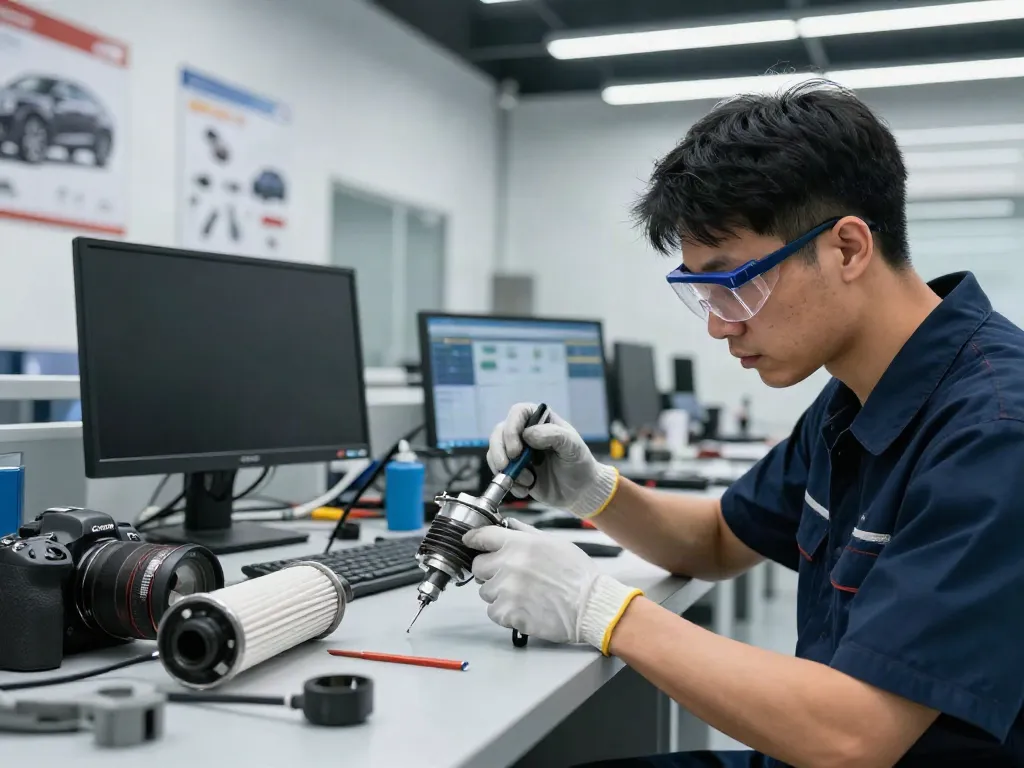
Quality control does not stop at certification; extensive testing is conducted throughout the production process. Engineered Composites employs various testing methods, including tensile strength tests, fire resistance evaluations, and dimensional accuracy checks. These tests ensure that every GRP product not only meets the regulatory standards but also performs optimally under specified conditions.
Maintaining Quality across Supply Chain
Engineered Composites recognizes the importance of maintaining quality throughout its supply chain. By working with ISO 9001-accredited suppliers and conducting regular audits, the company ensures that raw materials meet strict quality requirements. This diligence ensures that the final products delivered to customers uphold the integrity and performance that Engineered Composites is known for.
Applications of Engineered Composites in Various Sectors
Construction and Infrastructure Solutions
In the construction sector, GRP is utilized for an array of applications, including roofing systems, flooring, and structural components. Its versatile nature allows architects and engineers to push the boundaries of design while ensuring structural integrity. Additionally, GRP's lightweight properties facilitate easier installation, significantly reducing the labor costs associated with heavy materials.
Marine and Automotive Applications
For the marine industry, GRP’s resistance to environmental degradation makes it an ideal choice for boat hulls, decks, and even interiors. In automotive applications, GRP components contribute to the reduction of vehicle weight, enhancing fuel efficiency without compromising safety or performance.
Telecommunications and Electrical Industries
Electrical and telecommunications sectors also leverage GRP's non-conductive properties. This characteristic is essential for creating safety-compliant structures, such as enclosures for cables and instrumentation, that need to remain unaffected by electromagnetic interference, ensuring the longevity and reliability of sensitive electronics.
Future Trends in Engineered Composites Manufacturing
Innovations in Material Technology for 2026
As we look toward 2026, innovations in the field of engineered composites are expected to evolve rapidly. New formulations and manufacturing techniques will enhance GRP's performance metrics; for instance, the integration of nanotechnology could lead to improved strength and reduced weight while maintaining cost-effectiveness. Moreover, advances in 3D printing technology may enable on-demand GRP structures that cater to specific project requirements.
Sustainability and Recyclability in GRP
The shift toward sustainability in manufacturing is altering perceptions of GRP. With a service life exceeding 50 years and potential for recycling at the end of its life cycle, GRP aligns well with the growing emphasis on eco-friendly practices. Manufacturers are exploring methods to reclaim and repurpose GRP, further reducing waste and environmental impact.
Predictions for Market Growth and Advancements
Market analysts predict that the demand for engineered composites, particularly GRP, will continue to rise across various industries due to their superior performance characteristics and sustainability benefits. As industries increasingly prioritize eco-friendly solutions, Engineered Composites is well-positioned to lead in providing high-quality, innovative products that meet modern demands.
What Are the Main Advantages of Using GRP Products?
GRP products offer unmatched strength, lightweight characteristics, and longevity that traditional materials cannot match. They are highly resistant to corrosion and UV light, ensuring that they stay structurally sound over decades of use. Moreover, their non-conductive nature makes them ideal for electrical applications, reducing safety risks in sensitive environments.
Is GRP Suitable for Outdoor Applications?
Yes, GRP is exceptionally well-suited for outdoor applications due to its weatherproof properties. It resists degradation from environmental factors such as rain, sun exposure, and wind, which is critical in marine and construction settings. This resilience ensures that GRP products continue to perform effectively in harsh outdoor conditions without compromising safety or structural integrity.
How Do I Request a Quotation from Engineered Composites?
Requesting a quotation from Engineered Composites is straightforward. Customers can reach out by calling their dedicated sales team or filling out the online inquiry form available on their website. With a commitment to rapid response times, quotes are typically generated within one hour, ensuring that projects can proceed without unnecessary delays.