What is an Automatic Bag Palletizer Machine?
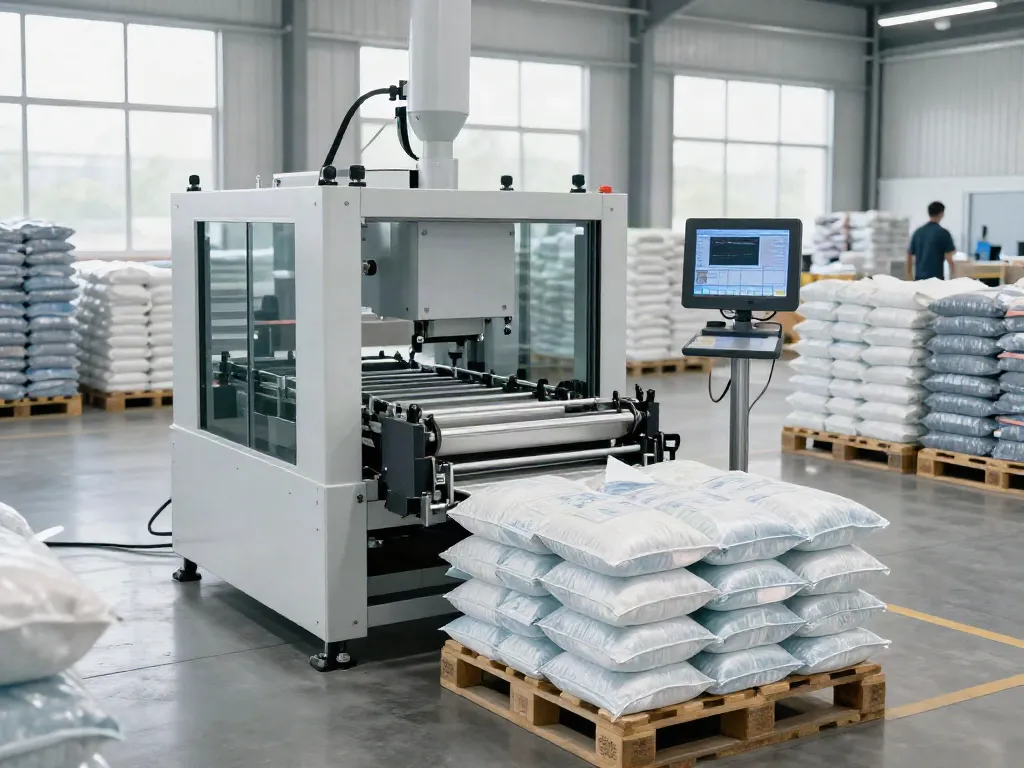
An automatic bag palletizer machine is an essential piece of equipment in modern packaging lines, designed to automate the process of stacking bags onto pallets. These machines use advanced technology to improve efficiency and accuracy in product handling, significantly reducing the time and labor involved in manual palletizing. As manufacturing and distribution industries continue to evolve, the adoption of automatic bag palletizers is becoming increasingly fundamental for businesses striving for operational excellence and competitiveness.
When exploring options, automatic bag palletizer machine systems provide comprehensive insights into the latest automation technologies suited for various industries. This equipment is particularly advantageous for companies working with diverse bag sizes and materials, ensuring a streamlined operation while maximizing productivity.
Definition and Purpose of Automatic Bag Palletizers
At its core, an automatic bag palletizer is engineered to handle and organize packaged products efficiently. The machine facilitates the stacking of bags onto pallets without the need for manual labor, thereby enhancing productivity and reducing the risk of injuries associated with manual handling. Typical applications include industries such as food and beverage, agriculture, and chemicals, where speed and precision are crucial.
Key Components and Technology
Automatic bag palletizers are built with several integral components, including:
- Robotic Arms: These are often equipped with specialized grippers that pick up bags from the conveyor system.
- Conveyor Systems: These systems transport bags from the packaging area to the palletizer.
- Pallet Dispenser: This component provides empty pallets for stacking.
- Control System: An intuitive interface allows operators to program and monitor the palletizing process with ease.
These technologies work together to ensure that the machine can handle varying bag sizes, weights, and materials, providing versatility and adaptability to the users.
Advantages Over Manual Palletizing
The transition from manual to automatic palletizing offers numerous benefits, including:
- Increased Efficiency: Automatic systems can operate much faster than human workers, often stacking bags at a rate of 10-25 bags per minute.
- Enhanced Safety: Reducing the need for manual labor minimizes workplace injuries, promoting a safer working environment.
- Consistency: Automated systems deliver uniform pallet loads, resulting in better product handling and transport.
- Labor Cost Reduction: With fewer workers needed for palletizing tasks, companies can reallocate resources to other, more critical areas of production.
How Automatic Bag Palletizers Enhance Operational Efficiency
Increased Speed and Accuracy in Bag Handling
Speed and accuracy are vital metrics for assessing operational efficiency. Automatic bag palletizers excel in both areas, ensuring that products are efficiently moved and accurately stacked. This rapid handling reduces bottlenecks in packaging lines and facilitates smoother transitions to the warehousing and shipping phases. Implementing these systems can dramatically lower processing times, which translates to higher output and shorter turnaround times for deliveries.
Cost Savings Through Automation
Investing in an automatic bag palletizer can lead to significant cost savings over time. While initial acquisition costs are a consideration, the long-term benefits outweigh these expenses. Savings come from reduced labor costs and increased throughput, leading to a higher return on investment. Additionally, the automation of repetitive tasks allows companies to redirect labor to more complex and value-added activities.
Optimizing Workflow and Space Utilization
Space is a critical asset in modern manufacturing facilities. Automatic bag palletizers are designed to optimize floor space by utilizing vertical stacking, thus minimizing the footprint needed for palletizing operations. This efficient use of space, combined with improved workflow, enhances the overall functionality of production layouts. Companies can also benefit from better inventory management as automated systems can seamlessly integrate with existing supply chain processes.
Choosing the Right Automatic Bag Palletizer Machine for Your Business
Assessing Your Production Needs and Space Constraints
Deciding on the right automatic bag palletizer requires a careful evaluation of your production requirements. Factors such as bag size, material, weight, and the volume of products processed will dictate the type of palletizer best suited for your operations. Additionally, understanding your available space can help in selecting a model that fits your facility without compromising workflow efficiency.
Types of Automatic Bag Palletizers Available
There are various types of automatic bag palletizers available on the market, each designed for specific applications:
- Robotic Bag Palletizers: Utilize robotic arms to pick and place bags, ideal for businesses requiring flexibility.
- Column Palletizers: These machines have a vertical design and can handle high-speed operations, suitable for large production volumes.
- Layer Palletizers: Capable of stacking bags in layers, they are perfect for products that need to be securely and consistently loaded on pallets.
Vendor Selection and Considerations
Choosing the right vendor for your automatic bag palletizer is crucial. Factors to consider include the vendor's reputation, warranty offerings, customer service, and support programs. Look for vendors that specialize in your industry to ensure that the equipment meets your specific operational needs and compliance standards. By investing in a reliable vendor relationship, you can enhance your overall system reliability and performance.
Best Practices for Implementing Automatic Bag Palletizers
Installation and Integration into Existing Systems
The success of implementing an automatic bag palletizer hinges on a well-structured installation process. It's essential to integrate the new system with existing machinery and workflows seamlessly. Proper planning during the installation phase can minimize downtime and ensure the new system operates as intended from day one.
Training Staff for Efficient Operation
Training is paramount for maximizing the benefits of an automatic bag palletizer. Staff should be adequately trained on operating the machine, troubleshooting issues, and performing routine maintenance. Well-informed operators will be more confident in managing the machinery, leading to fewer operational disruptions and enhanced safety.
Regular Maintenance and Upkeep
Ongoing maintenance is essential for the longevity and reliability of your automatic bag palletizer. Regular inspections and servicing can prevent breakdowns and extend the operational lifespan of the equipment. Create a maintenance schedule to ensure that all components are functioning efficiently, addressing any wear and tear promptly.
Future Trends in Automatic Bag Palletizing Technology
Innovations in Robotics and AI for Bag Handling
The future of automatic bag palletizing is heavily influenced by advancements in robotics and artificial intelligence. Machines that can learn from their environments and optimize their performance based on real-time data are becoming increasingly prevalent. These innovations reduce human intervention and expand the capabilities of palletizers to handle a wider variety of products and packaging styles.
Predictions for Industry Growth and Development
As demand for automation continues to rise, the automatic bag palletizing market is expected to grow significantly. Factors such as the need for increased production efficiency, labor shortages, and the push for higher safety standards will drive this growth. Companies that adopt these technologies early are likely to gain a competitive edge, positioning themselves as leaders in their respective industries.
Impact of Sustainability on Bag Palletizer Design
With sustainability becoming a central focus for many businesses, the design of automatic bag palletizers is evolving to meet eco-friendly standards. Manufacturers are increasingly implementing energy-efficient systems and recyclable materials in their equipment. This approach not only reduces the environmental footprint but also appeals to consumers who prioritize sustainability in their purchasing decisions.
How much does an automatic bag palletizer machine cost?
The cost of an automatic bag palletizer machine can vary widely based on several factors, including the type of machine, its capacity, and the level of technology integrated into the system. Basic models may start from $50,000 while advanced systems with robotics can exceed $250,000. It's essential to assess your budget alongside production requirements to find the best solution for your operations.
What are the advantages of using an automatic bag palletizer machine?
Benefits of using an automatic bag palletizer machine include enhanced speed, accuracy, reduced labor costs, improved workplace safety, and better consistency in pallet stacking. Automated systems can significantly streamline operations and contribute to higher overall productivity.
What types of bags can automatic bag palletizers handle?
Automatic bag palletizers are versatile and can handle a variety of bags, including open-mouth bags, valve bags, and pillow bags. Adaptable designs allow these machines to seamlessly accommodate different bag sizes and materials, making them suitable for multiple industries.
How does automation affect labor in packaging industries?
Automation in packaging industries reduces the reliance on manual labor for repetitive tasks, thereby allowing businesses to focus their human resources on more skilled positions. This shift not only enhances productivity but also improves job satisfaction among employees who transition to more engaging roles.
What maintenance is required for automatic bag palletizers?
Routine maintenance for automatic bag palletizers includes regular cleaning, lubrication of moving parts, inspection of electronic components, and troubleshooting any operational issues. Establishing a comprehensive maintenance schedule is essential for prolonging equipment life and ensuring optimal performance.