Understanding Precision CNC Machining
CNC (Computer Numerical Control) machining is an advanced manufacturing process widely utilized in various industries for creating high-precision parts. Employing automated processes using computer systems, CNC machining has revolutionized how manufacturers produce items, ensuring tighter tolerances and greater efficiency. As we move towards 2026, understanding the intricacies of CNC machining is essential for businesses looking to leverage these technologies for their production needs. A notable precision cnc machining supplier can significantly enhance your production capabilities by providing expertise, resources, and dedicated support.
What Is CNC Machining?
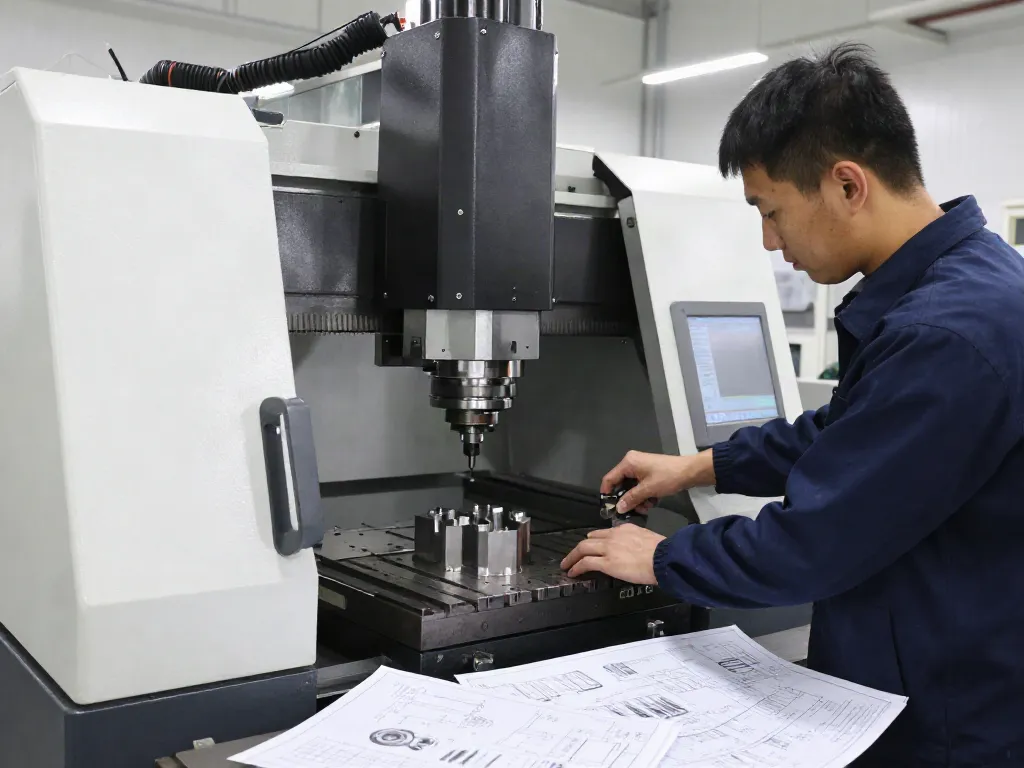
CNC machining involves the use of computer-controlled machines to fabricate parts from raw materials. Common processes include milling, turning, and laser cutting, which can produce components in various shapes and sizes. The key advantage of CNC machining lies in its ability to maintain high levels of accuracy across mass production runs. Equipment such as CNC mills and lathes can perform tasks with unparalleled precision, making them indispensable in sectors like aerospace, automotive, and electronics.
The Importance of Precision in Manufacturing
Precision is paramount in manufacturing. The final product's integrity often depends on the precise measurements and tolerances achieved during the machining process. Inaccuracies can lead to product failures and significant financial losses. Thus, selecting an experienced CNC machining supplier who prioritizes quality assurance and precision is vital for manufacturers aiming to deliver superior products.
Types of CNC Machining Processes
- CNC Milling: Utilizes rotary cutters to remove material from a workpiece, ideal for creating complex shapes.
- CNC Turning: Involves rotating a workpiece against a cutting tool, perfect for producing cylindrical parts.
- Laser Cutting: Employs focused laser beams to slice through materials with high precision.
- Injection Molding: A manufacturing process for producing parts by injecting molten material into a mold, commonly used for plastics.
Choosing the Right Precision CNC Machining Supplier
When selecting a CNC machining supplier, it's crucial to consider several factors that will influence the outcome of your projects. A reliable supplier will not only deliver high-quality products but also ensure timely delivery and effective communication.
Key Factors to Consider When Selecting a Supplier
Evaluating potential suppliers requires assessing their capabilities, technology, and reputation within the industry. Look for suppliers with a robust portfolio, demonstrating their experience across various sectors. Additionally, customer reviews and recommendations can provide valuable insights regarding their reliability.
Evaluating Supplier Capabilities and Certifications
It’s vital to ensure that the chosen CNC machining supplier possesses the necessary certifications, such as ISO 9001, which indicates adherence to quality management standards. Furthermore, evaluating their machinery and technology will help ascertain whether they can meet your specific production requirements.
Understanding Pricing Models and Cost Structures
Pricing can vary widely among CNC machining suppliers. Understanding their pricing models—whether they charge per hour, per part, or based on project scope—will help you assess their competitiveness. Always request detailed quotations to avoid unexpected costs during production.
Common Challenges in CNC Machining
The landscape of CNC machining is not without its challenges. From operational hiccups to supply chain disruptions, manufacturers often face issues that can impede production timelines and quality. Identifying these challenges early can facilitate proactive solutions.
Operational Issues and Their Solutions
Machining errors can arise from various sources, including tool wear, improper setups, and programming mistakes. Regular maintenance of machines and continual training of the workforce can mitigate these issues and enhance operational efficacy.
Addressing Quality Control Concerns
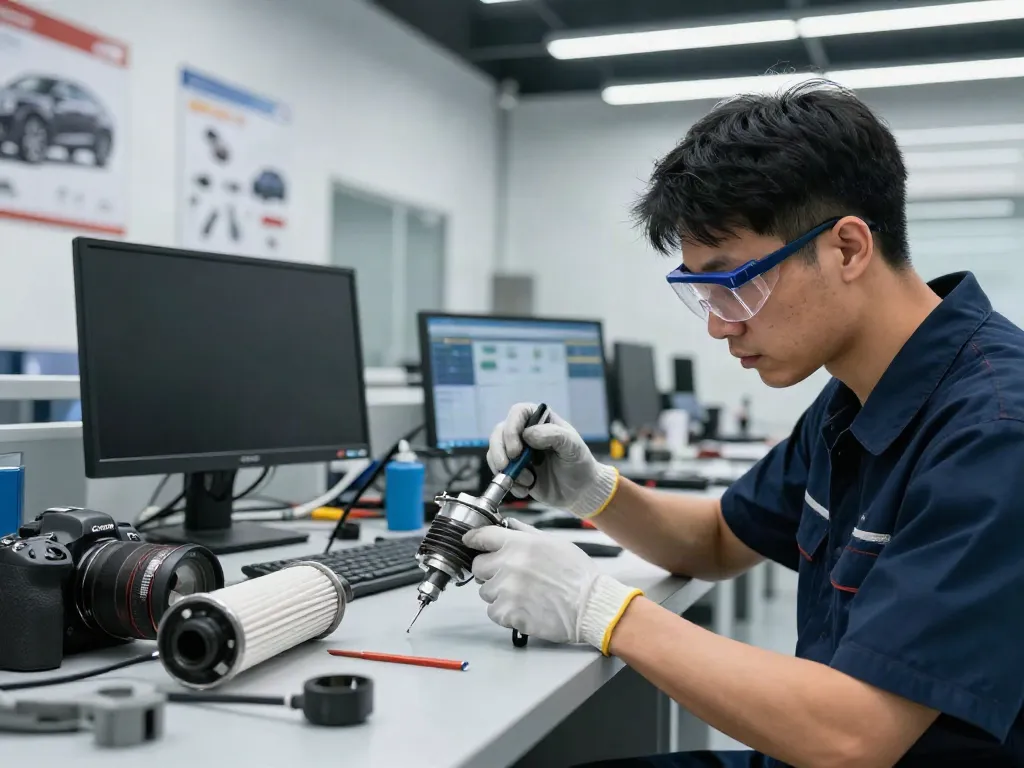
Quality control remains a cornerstone of precision manufacturing. Implementing rigorous inspection and testing protocols at various stages of production can help ensure that all parts meet the required specifications. Utilizing technologies such as CMM (Coordinate Measuring Machines) enables real-time quality checks, reducing the risk of defects.
Managing Lead Times and Delivery Expectations
Supply chain variabilities can significantly impact lead times. Building strong relationships with suppliers can help manage these challenges effectively. It’s crucial to have open lines of communication regarding project timelines to align expectations and facilitate prompt deliveries.
Best Practices for Working with CNC Machining Suppliers
To maximize the benefits of CNC machining, establishing a collaborative relationship with your supplier is essential. Clear communication and alignment of expectations will contribute to smoother project management.
Effective Communication of Project Requirements
Clearly articulating your project specifications and requirements is fundamental to successful CNC machining outcomes. Providing detailed drawings and documentation will minimize misunderstandings and facilitate a more efficient production process.
Utilizing Advanced Technologies for Collaboration
Employing advanced technologies like CAD (Computer-Aided Design) and CAM (Computer-Aided Manufacturing) can enhance collaboration between manufacturers and suppliers. These tools allow for more accurate design specifications and streamlining of the machining process.
Establishing Quality Assurance Protocols
Setting up defined quality assurance protocols ensures that all products adhere to industry standards. Regular audits and quality checks at different production stages can help maintain high-quality outputs and foster trust between partners.
Future Trends in Precision CNC Machining
The CNC machining sector is continually evolving, with emerging technologies set to transform manufacturing processes. Understanding these trends will equip manufacturers to adapt and thrive in an increasingly competitive market.
Emerging Technologies in CNC Machining for 2026
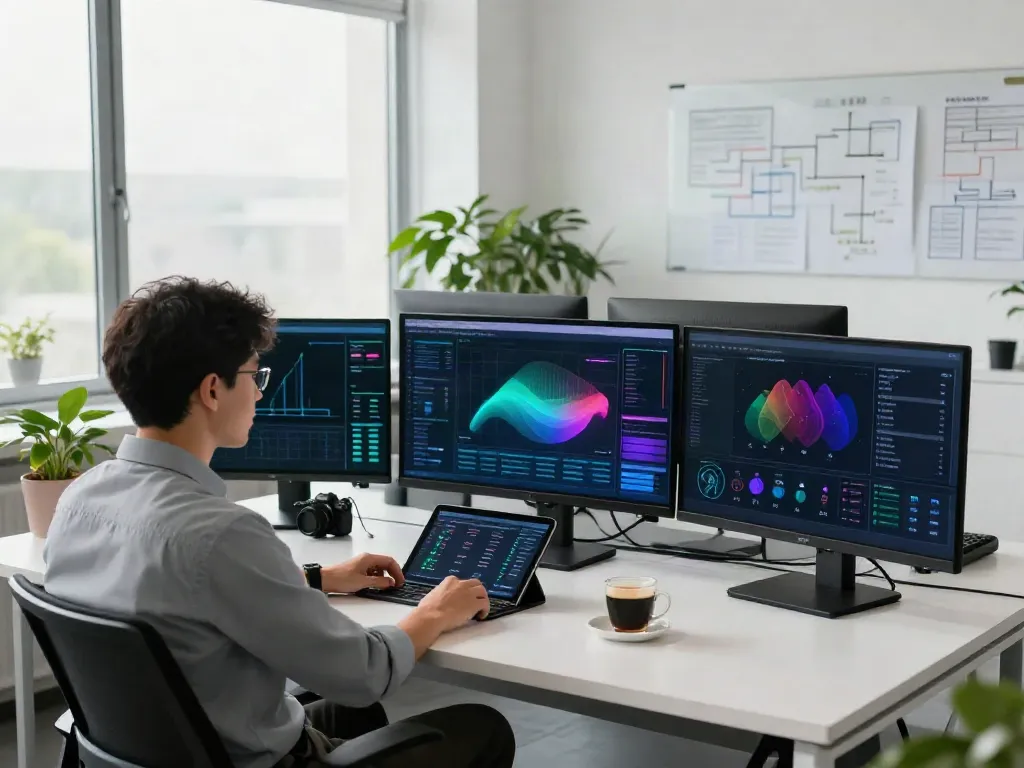
Advancements in materials science, automation, and robotics are paving the way for more efficient CNC machining processes. The integration of smart technologies and IoT (Internet of Things) is expected to enhance operational insights and predictive maintenance capabilities.
Impact of AI and Automation on CNC Operations
Artificial intelligence is poised to revolutionize CNC machining, allowing for smarter manufacturing processes. AI can facilitate real-time decision-making, optimize machining schedules, and predict potential downtime, ultimately boosting productivity levels.
Industry Insights and Predictions
As we look towards 2026, manufacturers must stay informed about industry shifts and innovations. Continuous investment in technology and workforce training will be critical for maintaining competitive advantage in the precision CNC machining landscape.
What are the advantages of using a precision CNC machining supplier?
Utilizing a precision CNC machining supplier offers extensive advantages, including improved quality, faster turnaround times, and reduced costs. These suppliers possess the expertise, technology, and resources required to deliver high-quality components, meeting stringent industry standards.
How can I ensure quality in CNC machining parts?
Ensuring quality in CNC machined parts involves establishing rigorous quality control measures, conducting regular inspections, and collaborating closely with the supplier throughout the production process. Utilizing advanced measurement tools can also aid in maintaining high precision levels.
What trends should I watch in CNC machining for 2026?
Key trends to monitor include advancements in automation, the integration of AI technologies, and the increased use of sustainable manufacturing practices. Keeping an eye on these trends will allow manufacturers to remain agile and responsive to market changes.
How does CNC machining compare to traditional manufacturing?
CNC machining surpasses traditional manufacturing methods in terms of accuracy, efficiency, and scalability. While traditional methods often require extensive manual labor and can be prone to human error, CNC machining automates these processes, ensuring consistent quality across production runs.
What key questions should I ask a CNC machining supplier?
When vetting CNC machining suppliers, consider inquiring about their experience in your industry, their quality assurance practices, turnaround times, and the technology they utilize. Understanding their pricing model and after-sales support will also be beneficial for long-term partnerships.