Understanding the Role of a Glass Cutting Machine Manufacturer
In the dynamic world of industrial manufacturing, the role of a glass cutting machine manufacturer is pivotal. These manufacturers not only design and produce machines that enhance efficiency in glass processing but also enable businesses to refine their operations. With advancements in technology and increased demand for high-quality glass products, these manufacturers are at the forefront of innovation, shaping how glass is cut, processed, and delivered.
What is a Glass Cutting Machine Manufacturer?
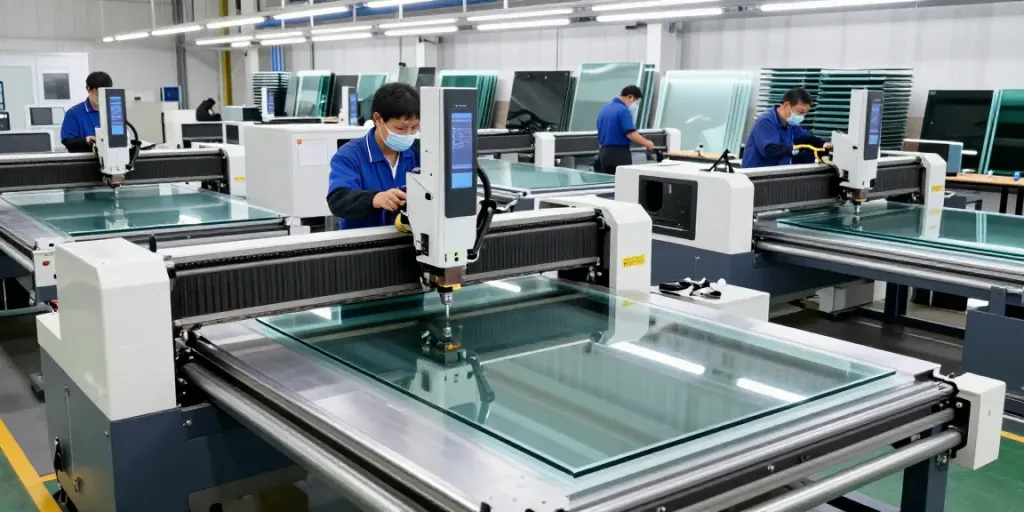
A glass cutting machine manufacturer specializes in producing various machines and equipment designed specifically for cutting glass. These machines cater to industries ranging from construction to automotive, and they are engineered to meet different glass thicknesses, types, and design requirements. Manufacturers invest in research and development to create machines that improve precision, speed, and safety in the cutting process.
Key Products Offered by Glass Cutting Manufacturers
- Automatic Glass Cutting Machines: These machines offer high-speed cutting and are essential for mass production.
- CNC Glass Cutting Machines: Computer Numerical Control (CNC) machines provide automation and high precision, ideal for complex designs.
- Manual Glass Cutters: Handheld tools for smaller projects or intricate designs.
- Glass Cutting Lines: Fully integrated lines that handle various stages of glass processing, from cutting to finishing.
Importance of Quality in Glass Cutting Machinery
Quality in glass cutting machinery is paramount as it directly impacts the final product's accuracy and safety. High-quality machines reduce material waste and enhance production efficiency. Moreover, manufacturers should prioritize durable materials and cutting-edge technology to ensure their equipment can withstand demanding operational conditions while providing consistent results.
Current Trends in Glass Cutting Technology
The glass industry is evolving, with new trends shaping how glass is cut and processed. Manufacturers are increasingly embracing technological innovations to meet the needs of modern businesses and consumers.
Automation and CNC Innovations in Glass Cutting
The rise of automation and the integration of CNC technology have revolutionized glass cutting operations. CNC glass cutting machines allow for intricate designs with high precision, reducing the risk of human error. Automation not only speeds up the cutting process but also minimizes labor costs, making operations more efficient.
Eco-friendly Manufacturing Practices
As sustainability becomes a global priority, many glass cutting machine manufacturers are adopting eco-friendly practices. This includes using energy-efficient machinery, reducing waste through optimized cutting strategies, and sourcing materials from sustainable suppliers. Additionally, the development of machines that require less energy and generate less scrap is becoming more prevalent.
Emerging Technologies by Leading Manufacturers
Leading manufacturers are consistently investing in R&D to introduce emerging technologies in glass cutting. Innovations like laser cutting and robotic automation are gaining traction, offering unprecedented versatility and efficiency. These technologies allow for cleaner cuts and more complex designs, which are highly sought after in modern architecture and design.
Best Practices for Choosing a Glass Cutting Machine
Selecting the right glass cutting machine is crucial for any business involved in glass processing. Understanding your specific needs and doing thorough research can significantly affect operational efficiency.
Assessing Your Business Needs and Budget
Before purchasing, evaluate the specific needs of your business. Consider factors like production volume, types of glass processed, and desired cut precision. Additionally, set a realistic budget that balances quality with operational needs. Investing in a high-quality machine may yield long-term savings through improved efficiency and reduced waste.
Evaluating Manufacturer Reputation and Reviews
When searching for a manufacturer, it's essential to assess their reputation within the industry. Look for reviews and testimonials from other buyers and check for certifications that attest to their quality standards. Engaging with past customers can provide insight into the reliability and performance of their machinery.
Comparing Specifications: Features that Matter
Not all glass cutting machines are created equal. Pay attention to critical specifications such as cutting speed, precision levels, and compatibility with various glass types. Additionally, evaluate the machine's ease of use and maintenance requirements. Machines with user-friendly interfaces often lead to quicker adaptability among workers.
Common Challenges Faced by Glass Cutting Businesses
While glass cutting businesses can benefit significantly from advancements in technology, they also face unique challenges that require strategic solutions.
Addressing Safety Concerns in Glass Processing
Safety is a top concern in glass cutting operations, given the potential for accidents and injuries. Implementing rigorous safety protocols, providing adequate training for workers, and equipping machines with safety features are essential steps to mitigate risks.
Overcoming Technical Difficulties with Equipment
Technical challenges can arise due to machine malfunctions or outdated technology. Regular maintenance and investing in training for staff on troubleshooting can reduce downtime and improve overall operational efficiency. It’s also beneficial to have a reliable support system from the machine manufacturer.
Managing Production Costs and Material Waste
Production costs can escalate due to waste generated during the cutting process. Employing optimal cutting strategies, such as nesting software, can help minimize material waste. Additionally, understanding material costs and exploring bulk purchasing options can effectively manage expenses.
Future Predictions for Glass Cutting Machines
The glass cutting industry is poised for continued evolution, driven by technological advancements and market demands. Here are some predictions for the near future.
What to Expect in Glass Cutting Innovations by 2026
By 2026, we can anticipate further integration of AI and machine learning in glass cutting machines, allowing for even greater precision and efficiency. These innovations will enable machines to learn from past cuts to optimize future performance, significantly reducing waste and enhancing productivity.
Industry Adaptations to Market Demands
As consumer preferences shift towards customizable glass products, manufacturers will need to adapt their offerings. This may involve developing machines capable of producing unique shapes and sizes with greater speed and efficiency.
Strategic Investments for Sustainable Growth
Investments in green technologies and sustainable practices are likely to shape the future of glass cutting. Manufacturers that prioritize sustainability will not only comply with regulatory requirements but also enhance their brand reputation among environmentally-conscious consumers.
What are the most popular glass cutting machines?
Some of the most popular glass cutting machines include CNC machines, which are favored for their precision, and automated systems that enhance production efficiency.
How do I choose a reliable glass cutting machine manufacturer?
Choosing a reliable manufacturer involves researching their history, looking into customer reviews, and assessing their product offerings to ensure they meet your specific needs.
What features should I consider in a glass cutting machine?
Key features to consider include cutting speed, machine precision, ease of use, and compatibility with various glass types, as well as safety features.
Can I use a glass cutting machine for other materials?
Many glass cutting machines are versatile enough to handle other materials, such as acrylic or plexiglass, broadening their utility in various applications.
What is the average cost of a commercial glass cutting machine?
The average cost can vary widely based on features and technology, but businesses can expect to invest anywhere from a few thousand to tens of thousands of dollars for high-quality machines.